
Camel
Humps of fat, miles of grit

Humps of fat, miles of grit
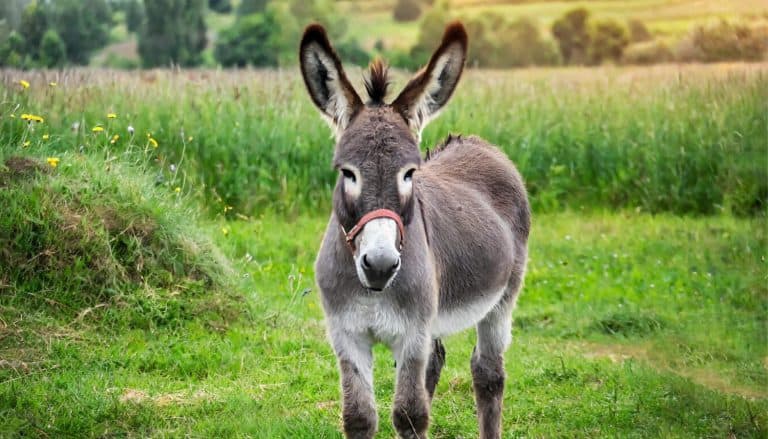
Sure-footed partner of people
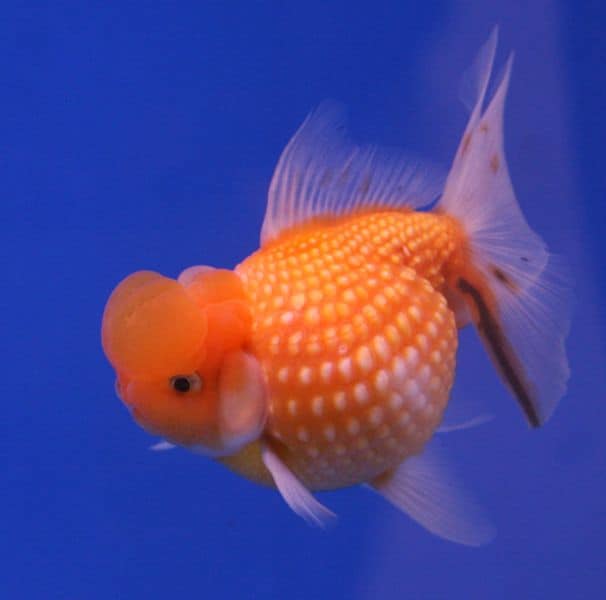
Bony rays, endless ways.
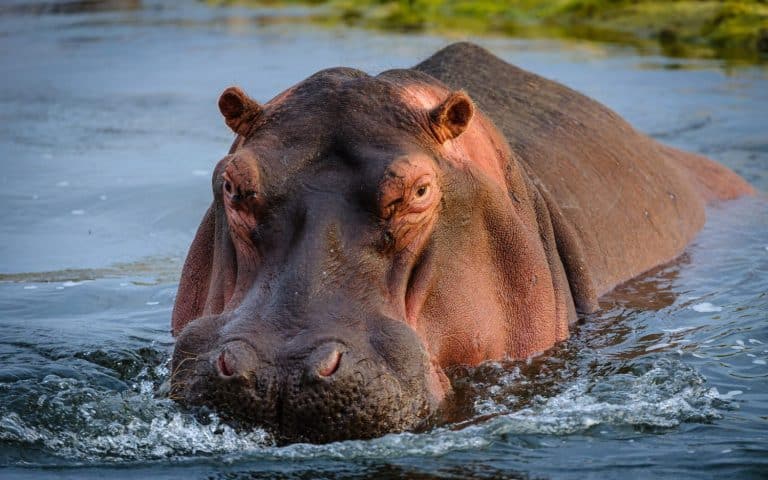
Big river grazer, bigger attitude
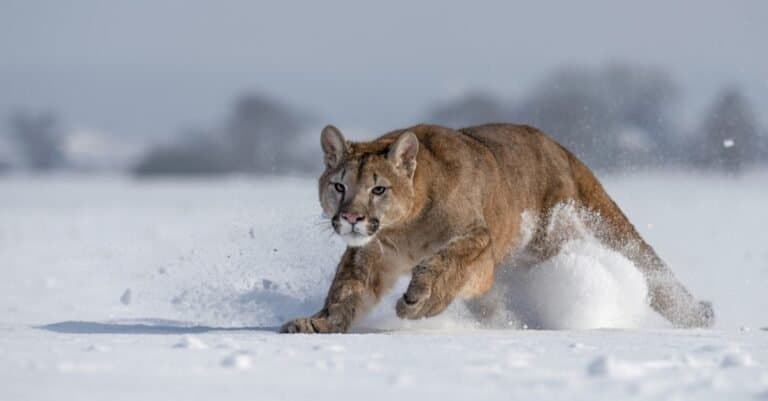
One cat. Two continents.
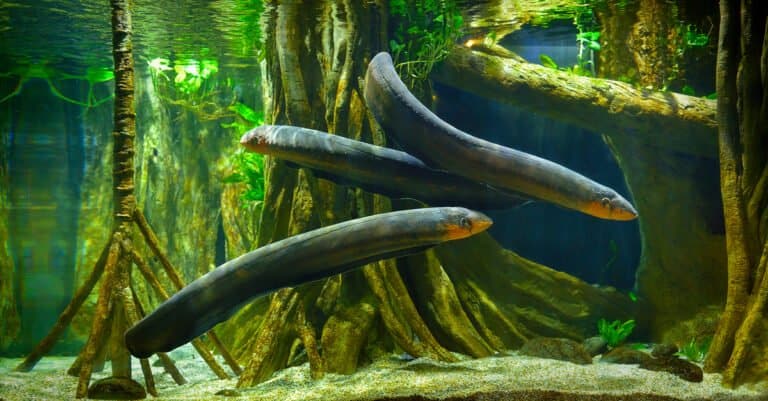
Lightning hunter of the Amazon
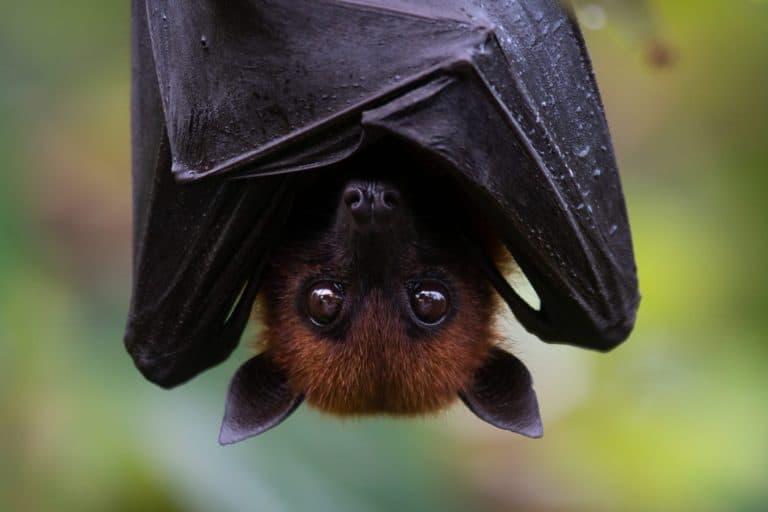
Night pilots of the mammal world
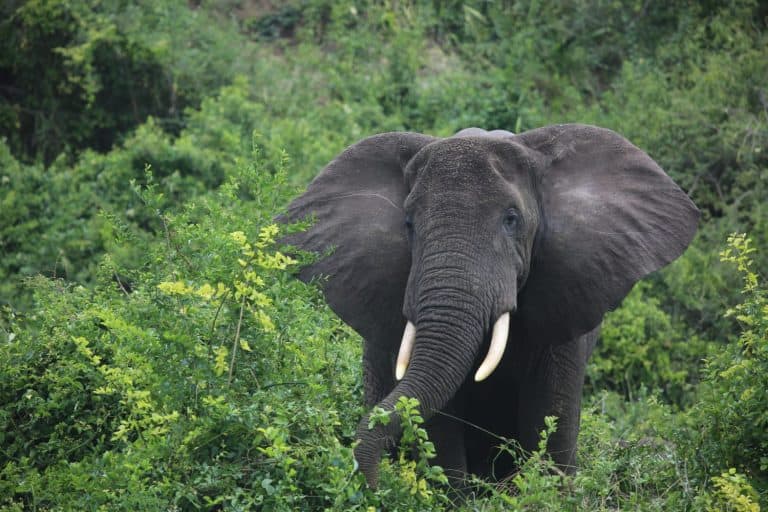
The rainforest's master gardener
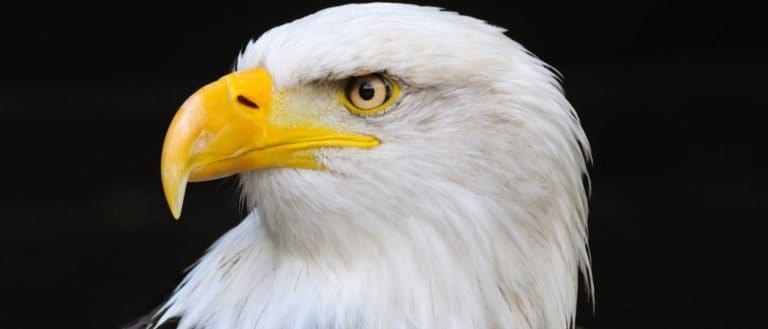
Built to soar, born to strike
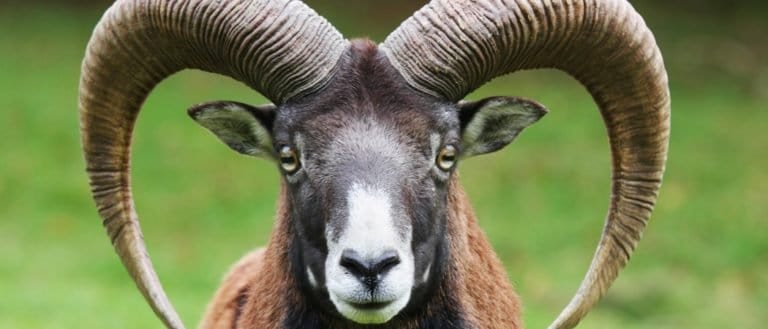
Sure-footed masters of rock and range
In animal coloration, brown is a low-chroma (low-saturation) hue spanning yellowish-brown to dark chocolate tones, most commonly produced by eumelanin and/or mixtures of eumelanin with pheomelanin deposited in skin, hair, feathers, scales, or cuticle. It is perceived as brown under typical illumination when reflected light is dominated by long and middle wavelengths with reduced overall brightness relative to tan or beige.
Brown is one of the most widespread colors in the animal kingdom, especially among terrestrial species living in forests, grasslands, deserts, and soil-rich environments. Because it closely matches common background materials-bark, leaf litter, dried vegetation, earth, and rock-brown frequently supports crypsis (camouflage) by reducing contrast between an animal's body and its surroundings. In many mammals and birds, brown coats or plumage create a "visual baseline" that helps individuals remain difficult to detect when stationary, while subtle shifts in shade can align with local habitat color and seasonal conditions.
Biologically, brown is often melanin-driven. Eumelanin tends to produce darker brown to near-black tones, while mixtures with pheomelanin can shift the appearance toward warmer, rufous, or chestnut browns. The way melanin is packaged and distributed (for example, within hair shafts or feather barbules) can create gradients, banding, and mottling that further break up outlines. In insects and some reptiles and fish, brown may also arise from combinations of melanins with other pigment cells or structural effects, yielding complex earthy tones that still read as "brown" to human observers.
Beyond concealment, brown can play roles in thermoregulation and signaling. Darker browns generally absorb more solar radiation than pale tans, potentially aiding heat gain in cool conditions, while lighter browns may reduce overheating in exposed habitats. Brown is also commonly used as pattern contrast: paired with cream, white, or buff markings it can emphasize stripes, spots, countershading, or facial masks, enabling communication, mimicry, or disruptive camouflage while retaining an overall cryptic, naturalistic palette.
Brown on animals appears as a dark, low-saturation "earth" coloration ranging from warm tan to deep chocolate. It typically reads as muted and non-reflective, often with a soft, velvety look in fur, a matte finish in feathers, and a leathery/opaque appearance in skin or scales. Because it's usually pigment-based (commonly eumelanin and mixed melanins), brown tends to look stable across viewing angles (little iridescence), but can shift subtly with lighting: in strong sun it may reveal warmer reddish or golden undertones; in shade it can compress toward near-black. On mammals, brown often shows as banded hairs (agouti) producing speckled or grizzled browns that break up outlines. On birds, brown is frequently expressed as barred, mottled, or streaked patterns (cryptic plumage) where darker umber/bistre marks sit over buff backgrounds. On reptiles/amphibians, brown may appear as blotches, saddles, or marbling, sometimes with a slightly glossy surface depending on scale/skin microstructure. Brown commonly forms the "midtone" of camouflage palettes, pairing with black for contrast and with cream/tan for edge disruption and countershading.
Not a single spectral wavelength; brown is a low-luminance, low-to-moderate saturation orange/yellow percept created by reduced intensity and context (often adjacent to brighter colors). Approximate dominant wavelengths often fall in the orange-yellow region (~580-620 nm) when a 'brown' stimulus is matched spectrally, but perception depends strongly on brightness and surrounding colors.
Approx. #D2B48C (tan) through #8B5A2B (medium brown) to #3B2417 (very dark brown), with common 'standard' browns around #A0522D-#6B4423.
Humans (trichromatic vision): Humans perceive brown as a 'dark orange/yellow' category strongly influenced by context and luminance. In bright light, the same pigment can look more orange/golden; in dim light it can collapse toward dark gray or black. Fine-scale texture (agouti banding, feather mottling) is readily resolved at close range and often reads as natural camouflage. Many mammals (dichromatic vision, common in canids/ungulates and many other mammals): With reduced red-green discrimination, reddish-browns and greenish-browns may appear more similar, and brown may shift toward a muted yellowish or grayish tone depending on illumination. Pattern contrast (light vs dark) remains highly salient, so brown still functions well for camouflage via brightness and texture rather than hue. Birds (often tetrachromatic with UV sensitivity): Many birds can discriminate subtle differences among browns (including UV reflectance differences not obvious to humans). Two 'similar' browns to humans may diverge strongly to birds if one has higher UV reflectance or different structural sheen. This can matter for mate choice, age/sex signals, and species recognition even when overall plumage appears uniformly brown to humans. Reptiles/amphibians (variable; often good luminance and motion detection): Brown is frequently perceived primarily through brightness and pattern edges. Depending on species, color discrimination may be limited compared with birds, but contrast and spatial patterning (blotches, bands) can be highly effective for camouflage. Invertebrates and fish (highly variable, sometimes UV/blue-shifted sensitivity): Many species emphasize different parts of the spectrum than humans; browns may be parsed more by intensity and contrast, and by polarization/UV cues where applicable. As a result, 'brown camouflage' can succeed via low reflectance and pattern disruption even when hue perception differs markedly across viewers.
Pale, warm brown often seen in desert-adapted mammals, ungulate coats, and many ground-nesting birds; reads sandy or straw-like and blends with dry grasses/soil.
Yellow-leaning light to mid brown common in juvenile coats and seasonal pelage shifts; often paired with white underparts for countershading.
Brown with strong reddish undertones; can appear richer and more saturated on glossy fur/feathers (e.g., some primates, squirrels, many birds).
Dark, dense brown approaching black in low light; frequently used for strong camouflage in forests and for pattern contrast with lighter markings.
A 'salted' or grizzled brown produced by alternating pigment bands along individual hairs; visually breaks up body contours and creates a textured, naturalistic look.
Cooler, subdued brown with gray influence; common in many rodents, canids, and some birds where it reduces conspicuous warmth and improves background matching in rocky/soil habitats.
Classic soil/wood brown used in mottling and barring; especially common in cryptic plumage and in amphibian/reptile blotching.
Very dark, slightly smoky brown often appearing in shaded feathers or dense winter coats; may be hard to distinguish from black without highlights.
Brown expressed as spots, flecks, or peppering over lighter backgrounds (or vice versa), typical of camouflage strategies that mimic leaf litter, bark, or sand-gravel mixes.
Linear brown markings (bars, streaks) that disrupt outline and mimic grasses, reeds, or bark fissures; common in many raptors, owls, and ground birds.
Dark brown to black polymeric pigment. In many taxa, lower concentration, smaller granules, or different granule packing can shift perceived color from black to various browns. Strong broadband light absorber; also contributes to UV protection and mechanical durability (e.g., feather strength).
Reddish-yellow to chestnut pigment; when combined with eumelanin can yield warm browns (tan, chestnut, chocolate) depending on relative proportions and spatial distribution.
Not a separate pigment, but melanin granule geometry and packing can alter brightness and hue: dense, uniformly packed eumelanin tends toward black; less dense packing or smaller/less elongated granules can appear brown. Surface microtexture can reduce specular reflection, producing matte browns; alternatively, smooth keratin over melanin can create a slight gloss.
Brown coloration is broadly adaptive because it provides reliable background matching across many terrestrial and benthic environments, reducing predation risk while offering added benefits such as heat absorption in cool conditions and increased tissue durability via melanin. Its versatility makes it effective as a 'generalist' coloration that can be enhanced with contrasting markings for communication and recognition without sacrificing concealment.
Brown matches common background substrates (soil, leaf litter, bark, dead vegetation) and reduces visual contrast, especially in dappled light. It also supports disruptive patterning when paired with lighter spots/stripes that break up the body outline.
Effectiveness: High in forests, savannas, deserts with sandy/earth tones, and benthic/near-ground habitats; especially effective under low light or mottled shade. Moderate to low in open snow/ice, bright white sand, or highly uniform green foliage where brown becomes conspicuous unless combined with green or patterning.
Darker brown pigments (often melanin-rich) can increase absorption of solar radiation, aiding heat gain in cool conditions. Conversely, mid-to-light browns can balance heat absorption with reduced overheating relative to black.
Effectiveness: High benefit in cool mornings, high elevations, temperate seasons, and ectotherms basking. Can be costly in hot, exposed environments at midday (increased overheating risk), where lighter browns or behavioral shade-seeking is needed.
Melanin-based browns can strengthen integuments (feathers, hair, cuticle), improving resistance to abrasion and wear. Melanin also contributes to photoprotection by reducing UV damage and may improve durability of flight/insulation structures (e.g., darker feather edges).
Effectiveness: High in abrasive habitats (burrowing, sandy/rocky terrain), high-UV environments, and for structures experiencing mechanical stress. Less directly beneficial where UV/abrasion is minimal, though still offers baseline durability.
Brown often serves as a low-signal 'neutral' baseline that allows high-contrast markings (white, buff, black) to stand out for social cues (posture, threat displays, following, parent-offspring signaling). It can also signal condition indirectly via coat/feather quality or cleanliness rather than hue itself.
Effectiveness: Moderate: effective at short range and in species relying on pattern/contrast rather than vivid hue; good in low-light woodland settings. Lower effectiveness for long-distance signaling in open habitats compared with brighter colors.
Species-specific shades of brown and pattern arrangements (bars, mottling, facial masks, dorsal stripes) can help conspecific recognition, especially among sympatric species with similar body shapes. Often works in combination with behavior and markings rather than uniform brown alone.
Effectiveness: Moderate to high when distinctive pattern elements are present; moderate when coloration is plain and overlaps broadly with other species (many species are 'brown'), making pattern/shape/behavior more important.
Brown can function in sexual selection when it reliably indicates maturity, dominance, or individual quality through melanin-based coloration intensity, uniformity, or pattern sharpness. In many taxa, brown is not the primary attractant but can be part of a composite signal (e.g., darker males, richer chestnut tones).
Effectiveness: Variable: high where mates prefer darker/richer brown or where brown correlates with condition/stress resistance; low where sexual selection favors bright carotenoid/structural colors. Often context-dependent on lighting and background.
Brown can aid mimicry of non-prey objects (dead leaves, twigs, bark) or unpalatable models with earthy coloration, supporting masquerade rather than direct Batesian mimicry. Many insects and some reptiles/amphibians resemble leaf litter when brown with appropriate shape/texture.
Effectiveness: High for masquerade in leaf-litter and bark environments, especially when combined with shape/behavior (stillness, rocking like a leaf). Lower in habitats lacking matching objects or where predators use non-visual cues.
Brown is generally not a classic aposematic (warning) color, but it can contribute to warning displays when paired with high-contrast patches (e.g., sudden flash of bright color against a brown body) or when dark brown/blackish tones enhance contrast in patterns.
Effectiveness: Low as a standalone warning signal. Moderate when used as a background to accentuate bright aposematic elements or startle/flash displays.
Often minimal to moderate: in many species both sexes are predominantly brown for shared camouflage, especially in ground-nesting birds and small mammals. Where dimorphism occurs, females are frequently browner/more cryptic for nesting or offspring protection, while males may show either darker/richer brown (melanin-based dominance/quality cues) or reduced brown with added contrasting or brighter patches used in courtship. Seasonal dimorphism can also occur, with browner non-breeding plumage/coats shifting toward more conspicuous patterns in breeding periods.
Brown coloration is strongly tied to camouflage and survival, so it can shape both population viability and management visibility. Cryptic brown animals are harder to detect in field surveys (camera traps, aerial counts, line-transect observations), potentially biasing abundance estimates and trend detection. Because many habitats (leaf litter, bark, soil, dry grass) favor brown camouflage, habitat alteration-deforestation, wildfires, desertification, or snow loss-can shift background matching and predation risk, affecting selection on brown vs. lighter/darker morphs. In human-dominated landscapes, brown individuals may experience different hunting pressure: they can be less conspicuous (lower harvest) or, conversely, more targeted if they match culturally preferred "typical" game appearance. For threatened species, maintaining natural brown pattern variation can be important for reintroduction success; releasing conspicuous non-cryptic morphs can reduce post-release survival. Finally, because brown is common, it may not attract as much fundraising attention as rare color morphs, which can influence public engagement and messaging strategies.
"Brown" can be a trick of context: the same dark pigment can look black in shade but brown in sunlight because lighting reveals warm undertones and reflectance from hair/feather microstructure.
Brown isn't always about hiding-on some animals it's a high-contrast backdrop. A dark brown body can make bright patches (white stripes, eye-spots, or colorful signals) pop more strongly, improving recognition or warning displays.
A brown coat can be a thermal choice: darker, low-saturation colors generally absorb more solar radiation than pale coats, which can help with warming-though the benefit depends on hair structure, wind, and behavior (shade-seeking vs basking).
Some "brown" animals are brown only part-time: many reptiles and amphibians darken or lighten (including shifting toward brown) by moving pigment granules within skin cells, changing appearance without molting.
Brown can be the safe option in polymorphic species: in several animals with multiple color morphs, the brown morph often persists because it's a reliable generalist camouflage across varied backgrounds, even if it isn't perfect anywhere.
Think "forest floor palette": brown matches the average visual clutter of bark + leaf litter, which is why a brown animal can be hard to spot even when it's not the exact same shade-predator vision often keys on edges and contrast more than perfect color matching.
Brown vs white in the sun: two otherwise similar coats can differ in heat gain-dark brown typically absorbs noticeably more incoming light than white, so a brown animal can warm faster while a pale one reflects more.
Brown feathers/fur are like matte paint: low-saturation browns reduce glare compared with glossy dark colors, making body contours less obvious-useful when staying unnoticed matters more than looking "bright."
In water, brown can function like "visual mud": tannin-stained rivers and coastal sediments shift background colors toward browns, so brown fish/crustaceans often blend at shorter distances than they would over bright sand.
Brown is "middle-ground" camouflage: it can be darker than grass-green and lighter than true black, making it a versatile compromise across shadows, bark, and soil-especially at dawn/dusk when colors desaturate.
Biggest "brown" heavyweight: the Kodiak bear (a brown bear subspecies) is among the largest living land carnivores-some individuals exceed 600 kg (1,300 lb), making "brown" one of the most intimidating camouflage colors on Earth.
Most "brown-looking" without any brown pigment: many browns are optical-tiny surface structures plus black melanin can scatter light so fur/feathers look chocolatey even when the pigment is mostly dark eumelanin.
Cephalopods (octopus, cuttlefish, squid) can create rich browns in an instant by expanding pigment-filled chromatophores (often ommochrome-based yellow-red-brown pigments); they can also overlay texture changes, so the animal can look like bark, sand, or rock, not just match the color.
Most common camouflage color in mammals: brown (from eumelanin mixes and low saturation) is one of the dominant mammal coat tones worldwide because it blends with soil, bark, dead leaves, and dry grass across many habitats.
Fastest "brown-outfit swap": animals like stoats/ermine and snowshoe hares shift between brown summer coats and white winter coats-seasonal molting can dramatically change their camouflage effectiveness within weeks.
The rainforest's master gardener
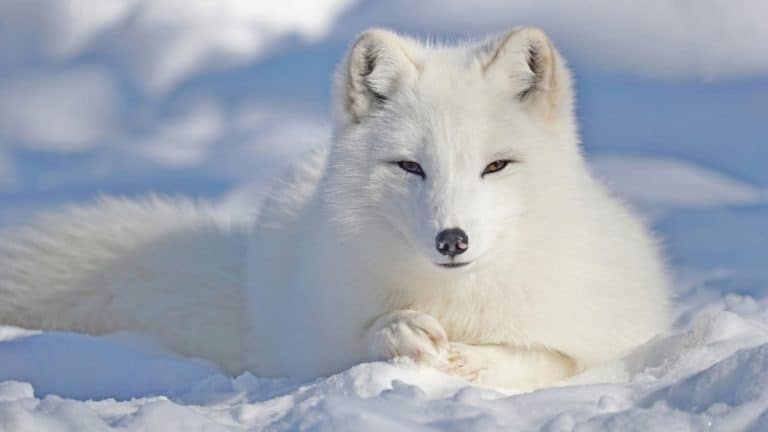
Built for blizzards, born for tundra
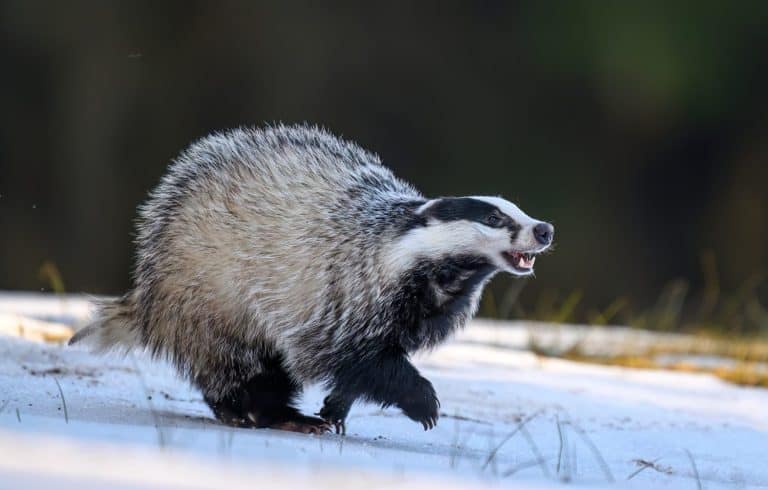
Built to dig. Born to endure.
Night pilots of the mammal world
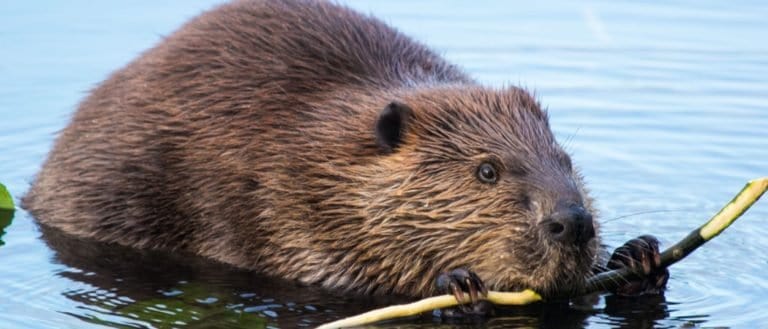
Build wetlands, shape worlds.
Humps of fat, miles of grit
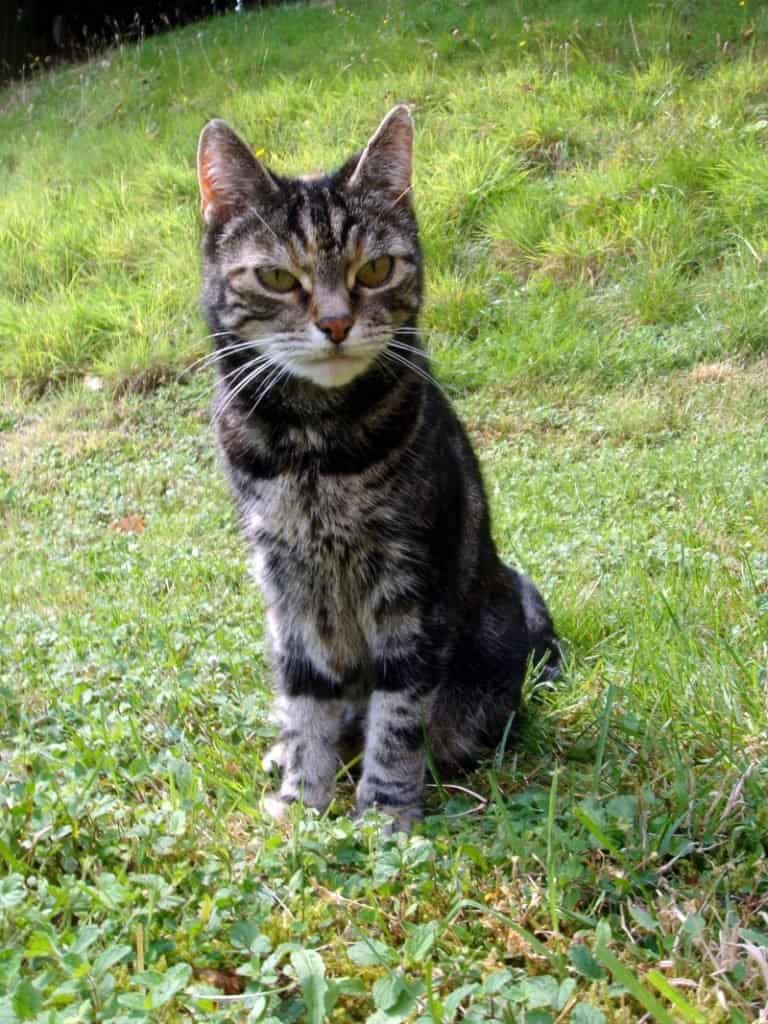
Small hunter, big household legend
One cat. Two continents.
Sure-footed partner of people
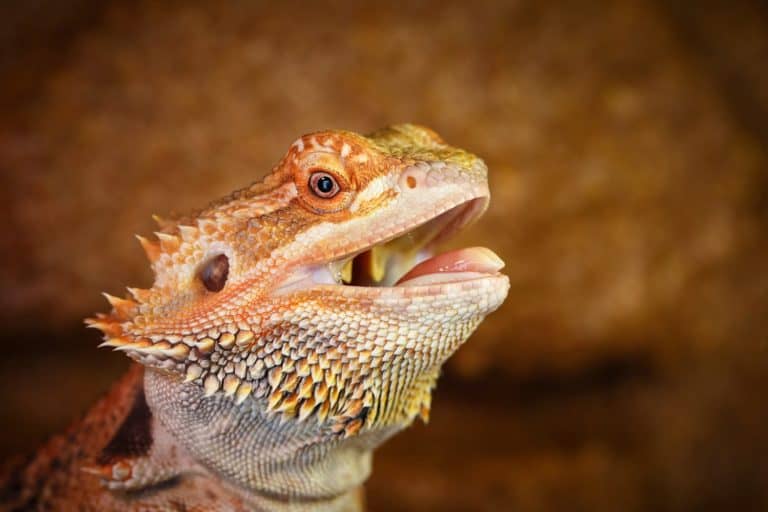
Big beard, bright sun, bold attitude.
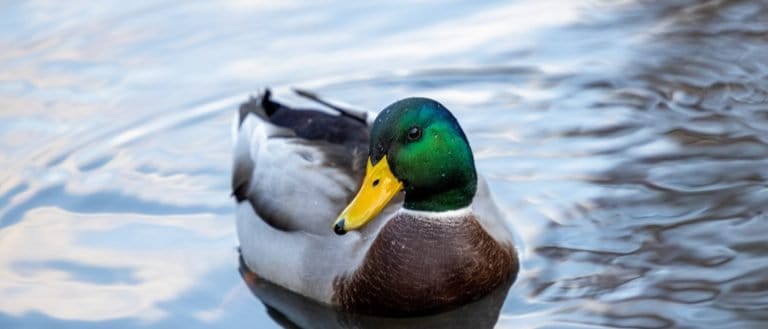
Webbed feet, world travelers.
Built to soar, born to strike
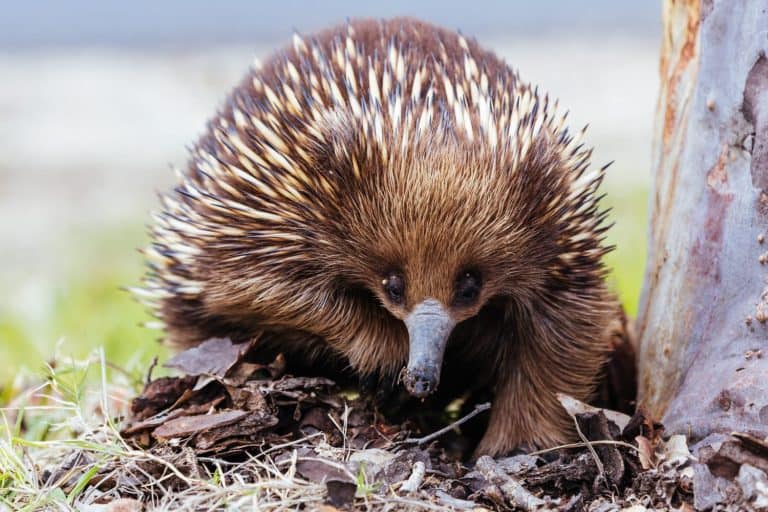
Spines, eggs, and ant-eating mastery
Lightning hunter of the Amazon
Bony rays, endless ways.
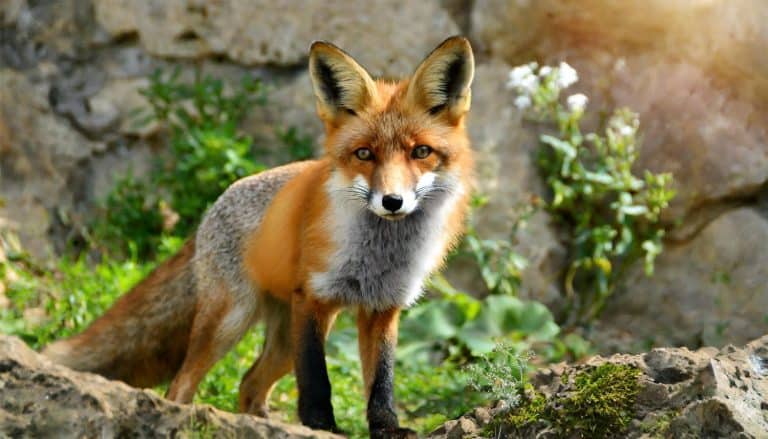
From dunes to tundra-fox smart.
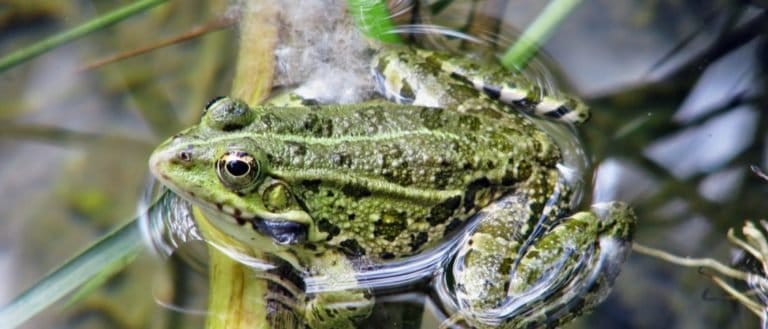
Tailless jumpers, masters of change
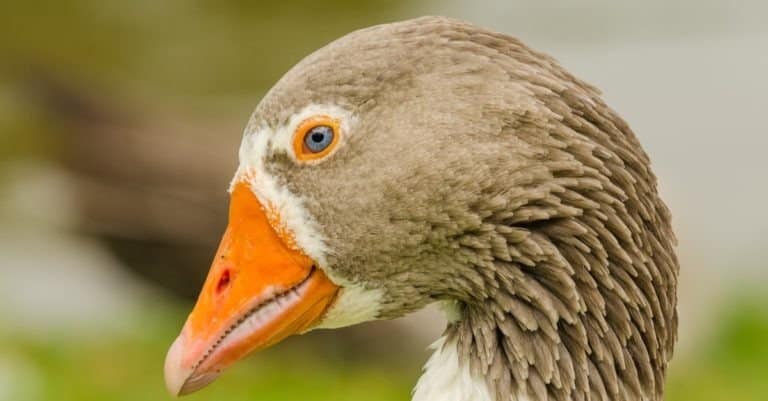
Webbed feet, sky roads, wetland lives
Sure-footed masters of rock and range
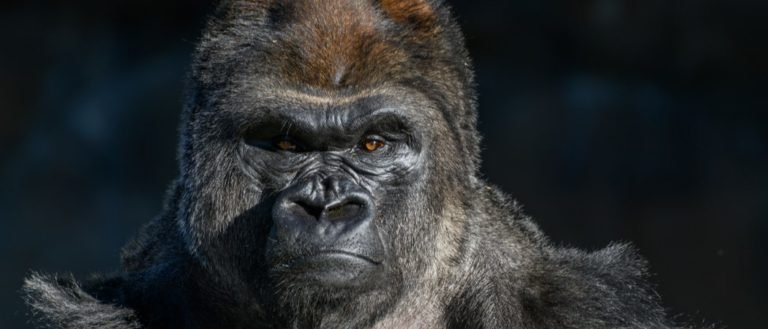
Gentle giants of the African forests
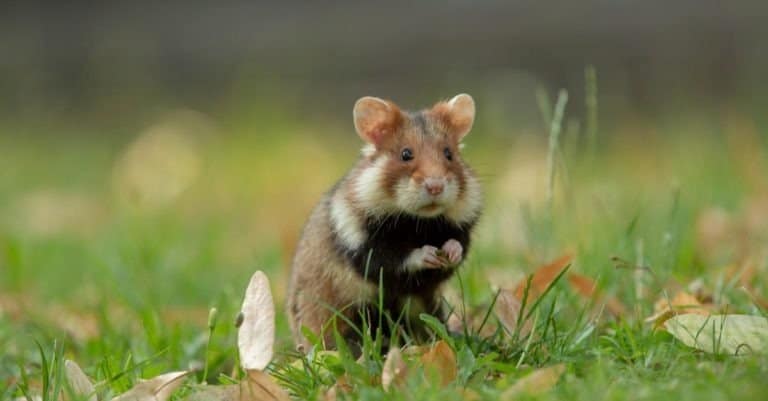
Pouches, burrows, and big impacts
Big river grazer, bigger attitude
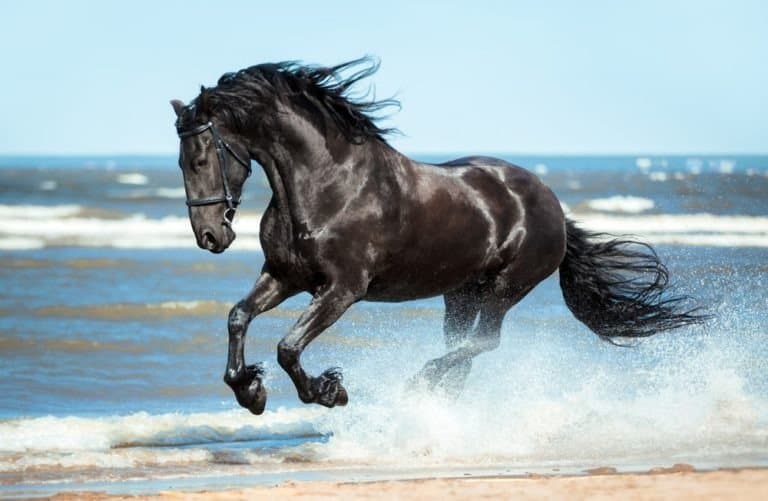
One hoofbeat, a thousand histories
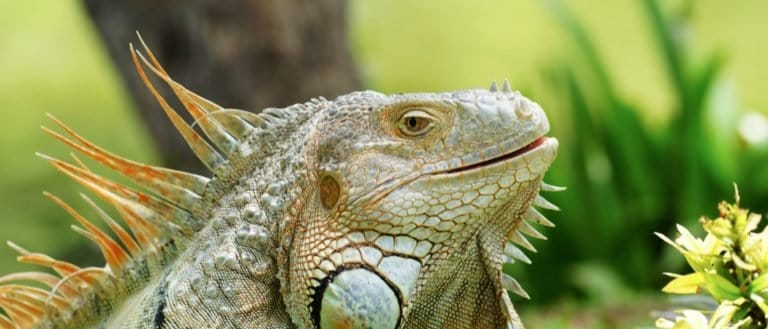
Sun-powered lizards of the Americas
Thank you for reading! Have some feedback for us?
We appreciate your help in improving our content.
Our editorial team will review your suggestions and make any necessary updates.
There was an error submitting your feedback. Please try again.