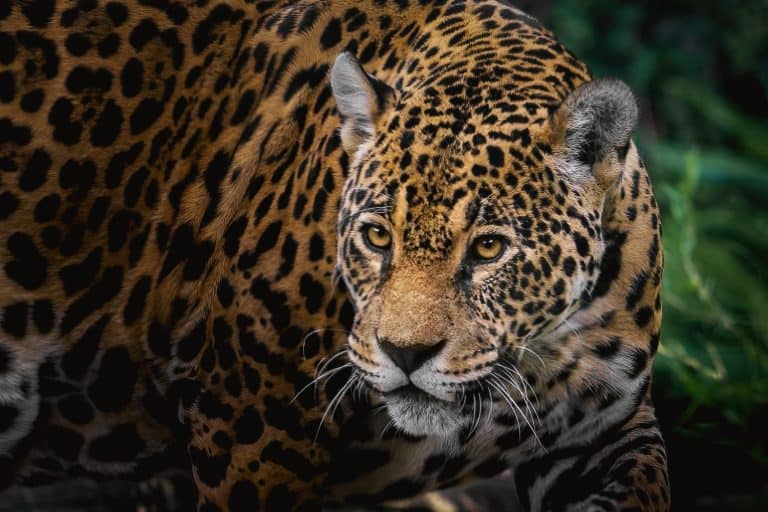
Jaguar
Power of the Americas' apex cat

Power of the Americas' apex cat
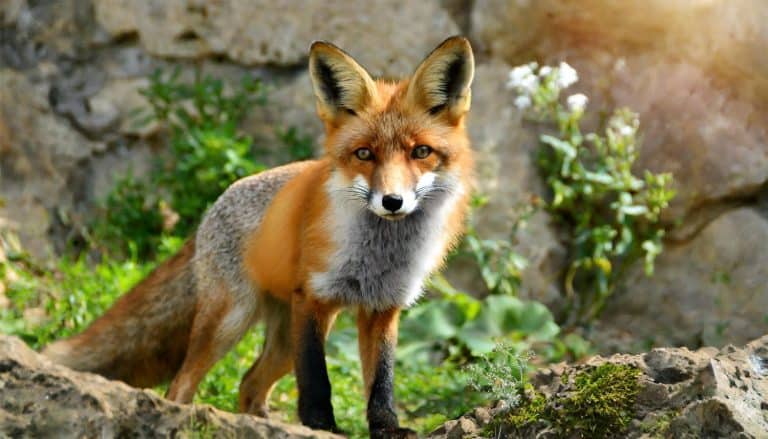
From dunes to tundra-fox smart.
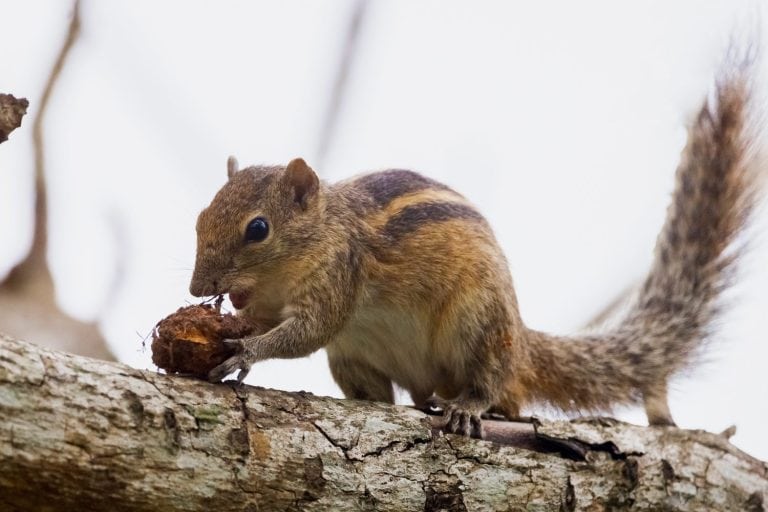
Three stripes. Big city attitude.
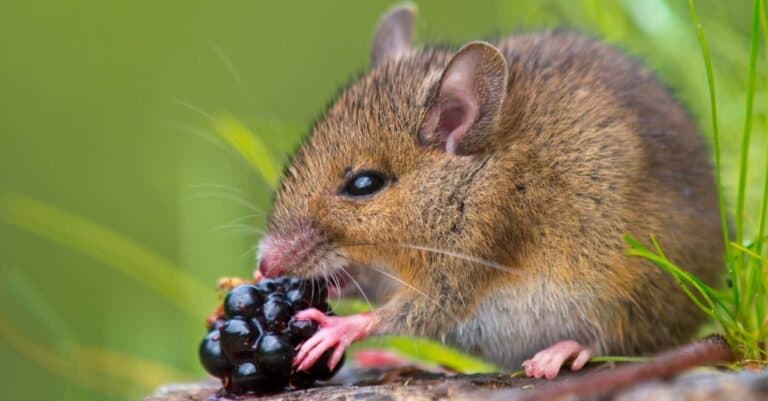
Small gnawers, huge impact.
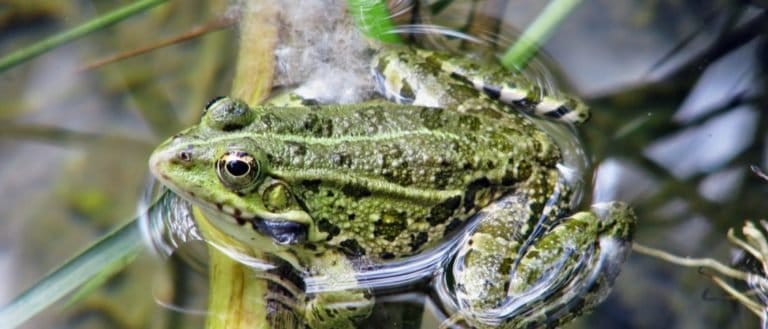
Tailless jumpers, masters of change
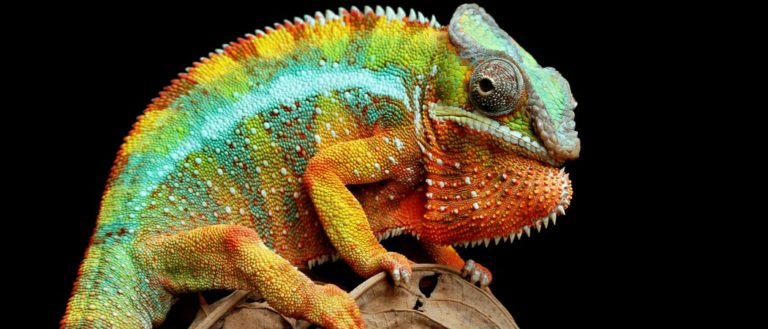
From geckos to dragons-lizard power
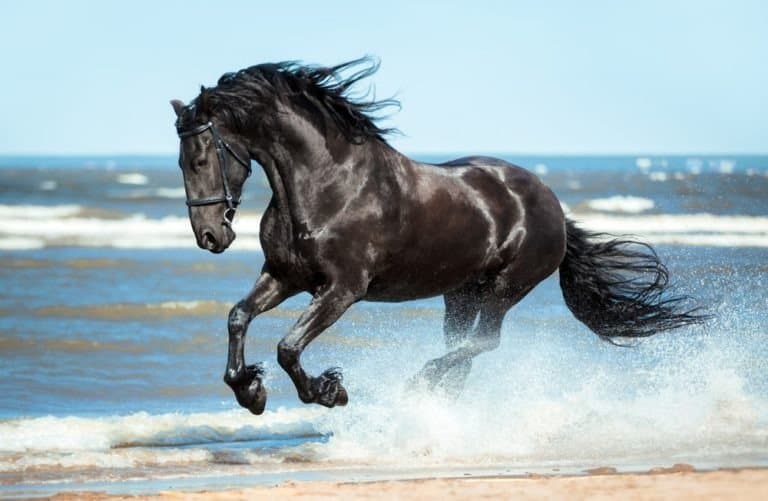
One hoofbeat, a thousand histories
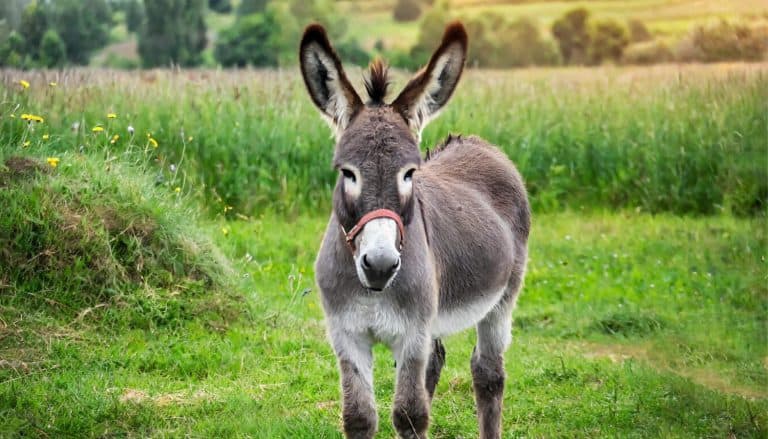
Sure-footed partner of people
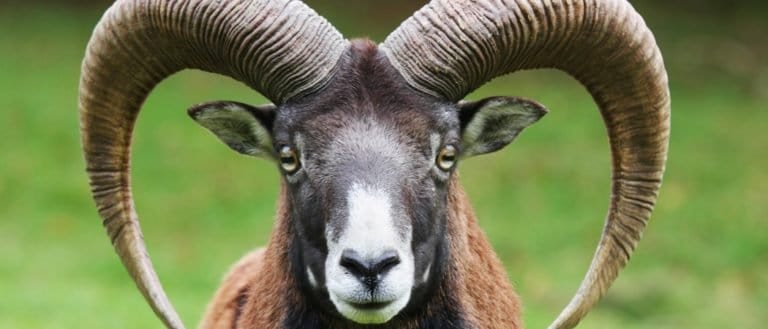
Sure-footed masters of rock and range
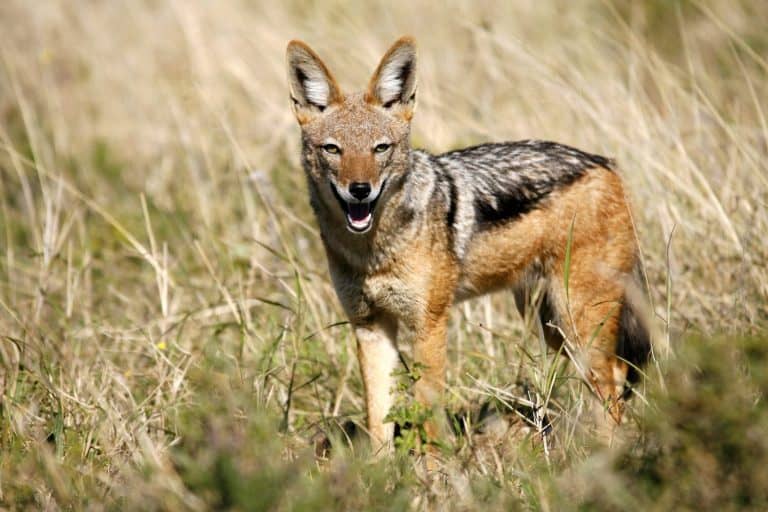
Small canids, big survival skills
Woodland is a tree-dominated terrestrial habitat with a relatively open canopy (typically more open than a closed forest), allowing substantial light to reach the ground. This supports a well-developed shrub and herb layer, and woodlands often form transition zones between forests and more open habitats such as grasslands or shrublands.
Woodlands lie between forest and grassland, with scattered trees that let sunlight reach the ground. Grasses, wildflowers, shrubs and young trees grow, creating many small habitats and many kinds of plants and animals. Fire, grazing, drought or cutting keep them open. They provide food, cover and nesting sites, but are often changed by farming and cities.
Moderate to high, dappled light with frequent sunflecks; open to semi-open canopy typically allows a well-developed shrub and herb layer. Strong seasonal variation where deciduous.
Common near intermittent/perennial streams, small rivers, springs, and seasonal wetlands; moisture availability can be patchy (riparian strips within drier matrix). Not an aquatic habitat; salinity/currents not applicable except in local riparian zones.
High (Woodlands typically have high biodiversity because the open-to-moderate canopy creates strong vertical layering and edge conditions, supporting both woodland and open-habitat species. Deadwood, leaf litter, and varied light/moisture microhabitats promote diverse fungi, invertebrates, birds, and small mammals; diversity is especially high where tree ages and structures are mixed and disturbance creates a patchy mosaic.)
Globally widespread but highly transformed and fragmented; many woodland subtypes (e.g., temperate oak woodlands, Mediterranean woodlands, tropical dry woodlands/miombo, eucalypt woodlands) have experienced substantial clearing, altered disturbance regimes, and declining structural complexity. Remaining areas often persist as mosaics with agriculture and grazing, with biodiversity impacts concentrated in fertile lowlands and near expanding settlements.
Moderate to high where soils remain intact and seed sources persist: many woodlands recover well via assisted natural regeneration if grazing pressure, repeated hot fires, and invasive competitors are controlled. Potential is lower where topsoil is lost/compacted (e.g., mining, intensive cultivation) or where altered fire/climate regimes prevent seedling establishment.
Moderate to high. Woodland openness and drought exposure make many systems sensitive to rising heat, longer dry seasons, and extreme fire weather; increased drought-stress can elevate pest/disease impacts and cause canopy dieback. Vulnerability varies by region-some woodlands may expand into grasslands under CO₂ fertilization and reduced fire, while others may transition toward shrubland/grassland under warming, aridification, and more severe fires.
Woodlands can be richer in wildflowers than denser forests because more sunlight reaches the ground, boosting the shrub and herb layer.
An "open canopy" doesn't mean "low wildlife": many woodland birds and insects prefer patchy light and edge-like conditions over deep shade.
Many woodlands are maintained by disturbance (fire, grazing, flooding, windthrow). Without it, some would naturally thicken into closed forest-or transition toward shrubland/grassland depending on climate.
In some woodlands, large old trees are ecological keystones even when they're widely spaced: their hollows, bark crevices, dead limbs, and leaf litter create habitat for countless species.
Mushrooms and underground fungal networks (mycorrhizae) can connect woodland plants, moving water and nutrients between different species-so the "real" woodland infrastructure is often belowground.
Woodlands can be important carbon stores not only in trunks but in soils-especially where periodic disturbance stimulates deep-rooted plants and long-lived soil organic matter.
Many woodland plants "time" their life cycles to light: spring ephemerals race to flower before tree leaves fully expand, then disappear back underground.
Dead wood is not "waste" in woodlands: fallen logs and standing snags can be nurseries for seedlings, moisture sponges in dry times, and essential habitat for decomposers.
Think of a woodland as a "sun-dappled apartment building": trees are the upper floors, shrubs are the middle floors, and herbs/mosses are the ground-floor tenants-all sharing light, water, and space.
If a closed forest is a "green cathedral," a woodland is more like a "park with rooms"-openings, edges, and patches create many microclimates in a small area.
Woodlands often act like ecological "border towns" (ecotones): species from forests and grasslands overlap there, boosting diversity the way cultural border regions can blend languages and cuisines.
A woodland's canopy is like a partially open umbrella: it still buffers wind and temperature swings, but lets enough light through to power a busy understory.
Fire in many woodlands is less like a total "reset button" and more like routine "maintenance"-clearing litter, recycling nutrients, and keeping the canopy from closing completely.
The world's largest continuous woodland/forest biome is the boreal forest (taiga), spanning millions of square kilometers across Eurasia and North America.
Some of the oldest "woodland" trees are bristlecone pines in the American West-individuals can exceed 4,800 years, and many grow in open, park-like stands that function ecologically like woodlands.
By height, coast redwoods can top 110 m-while classic redwood groves are forest, many redwood landscapes include open-canopy redwood woodlands at edges and ridges where conditions are harsher.
One of the most fire-adapted woodland systems is Australia's eucalypt woodlands, where many dominant trees can resprout after fire and some species' seeds are released or germinate better following heat/smoke cues.
In oak woodlands of the Mediterranean-climate regions (e.g., Iberian dehesas), a single large oak can host hundreds of species over its lifetime-acting as a "biodiversity superstructure" in an otherwise open landscape.
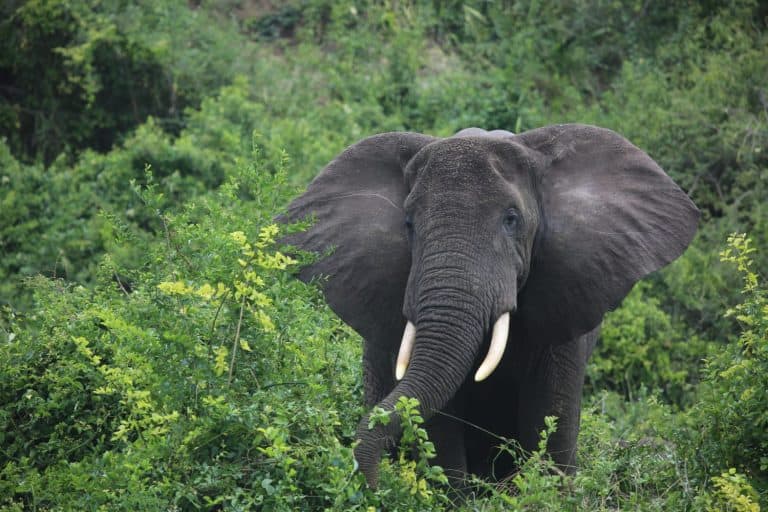
The rainforest's master gardener
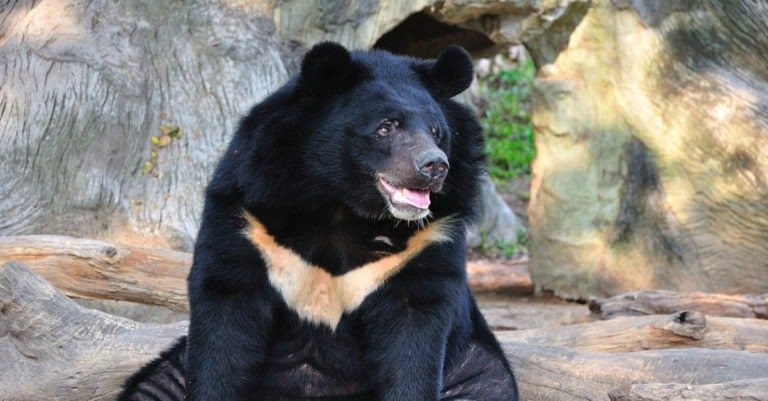
Moon-marked climber of Asian forests
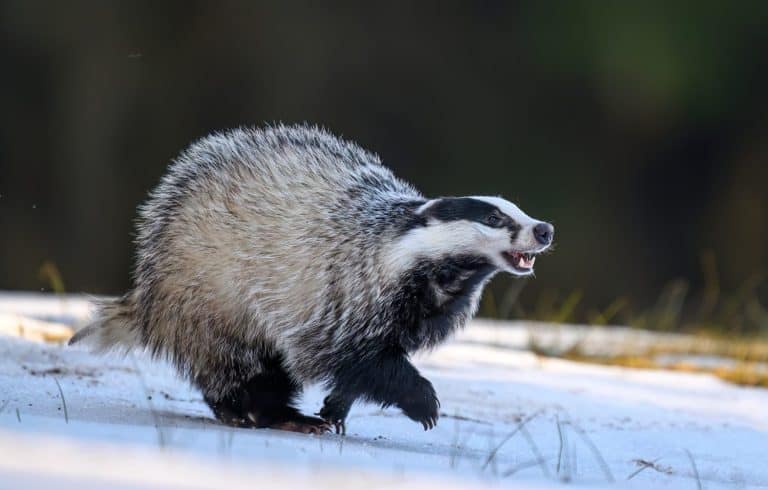
Built to dig. Born to endure.
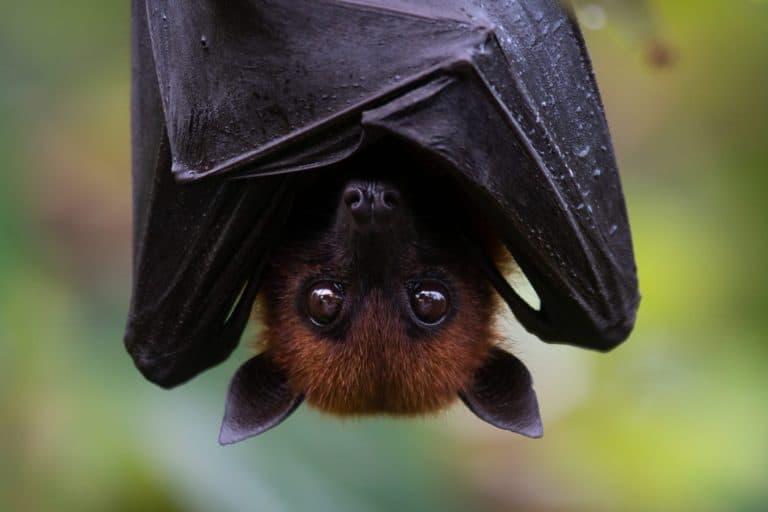
Night pilots of the mammal world
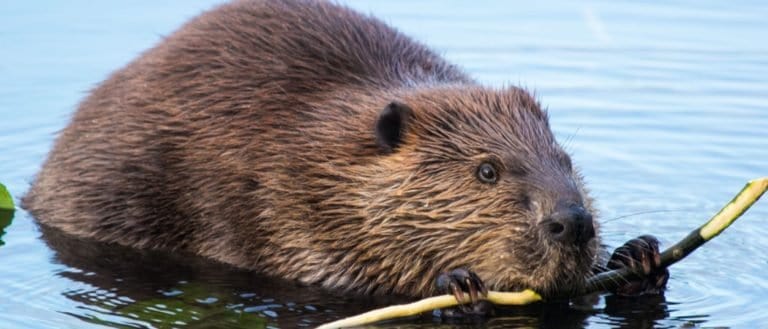
Build wetlands, shape worlds.

Humps of fat, miles of grit
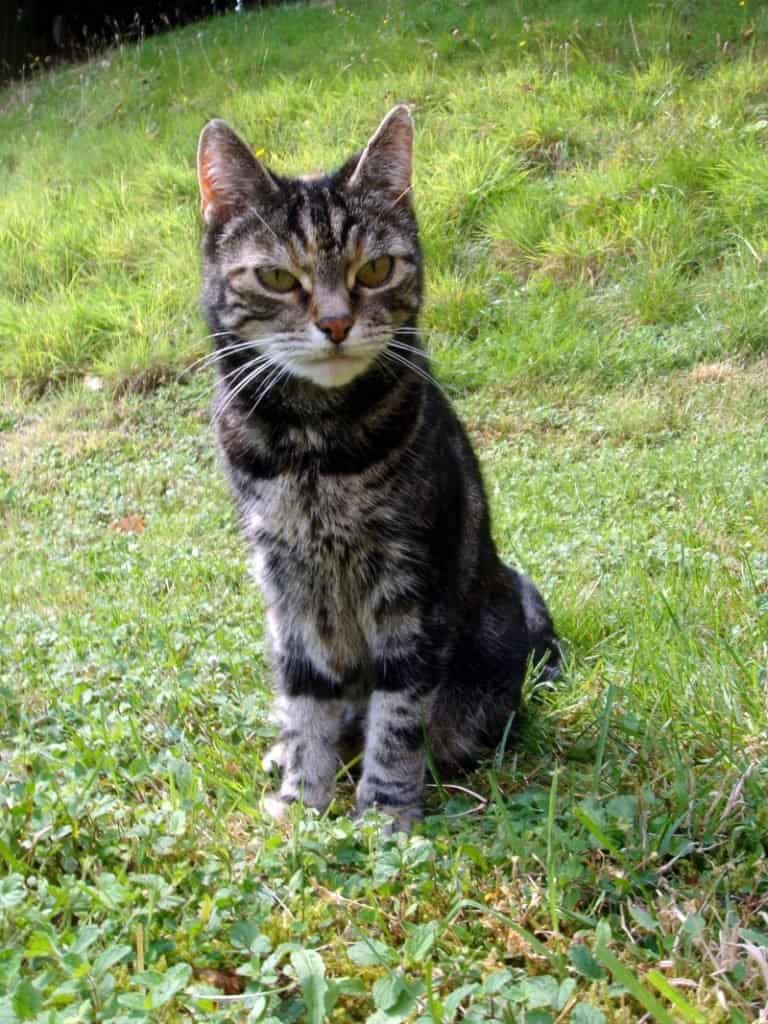
Small hunter, big household legend
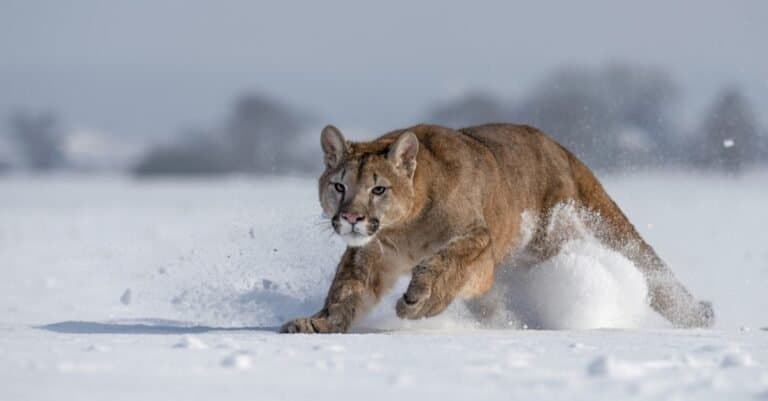
One cat. Two continents.
Sure-footed partner of people
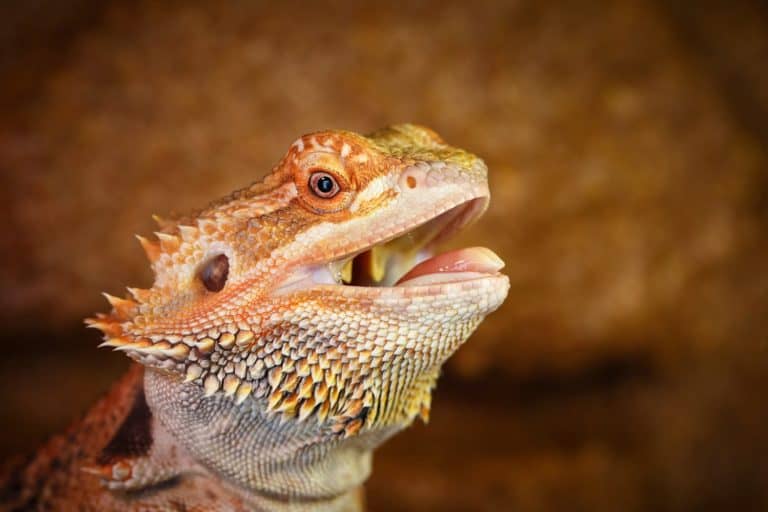
Big beard, bright sun, bold attitude.

Webbed feet, world travelers.
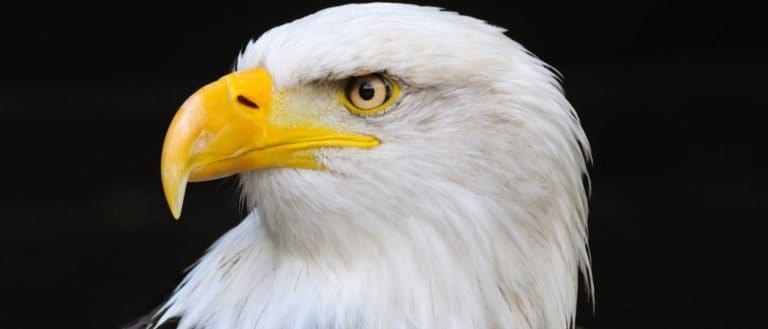
Built to soar, born to strike
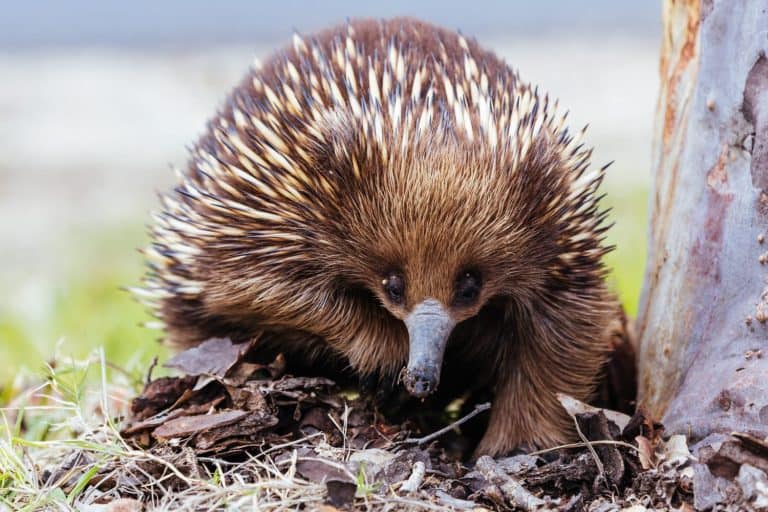
Spines, eggs, and ant-eating mastery
From dunes to tundra-fox smart.
Tailless jumpers, masters of change
Sure-footed masters of rock and range
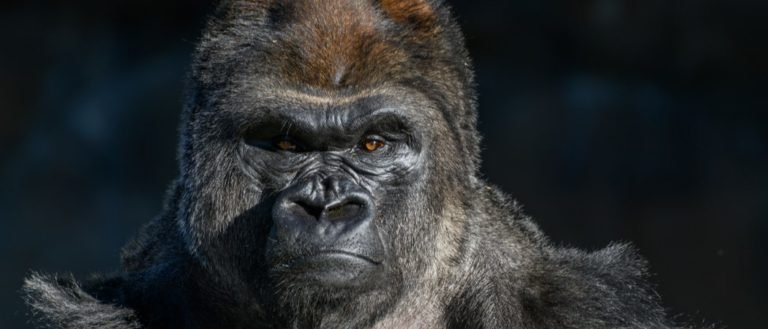
Gentle giants of the African forests
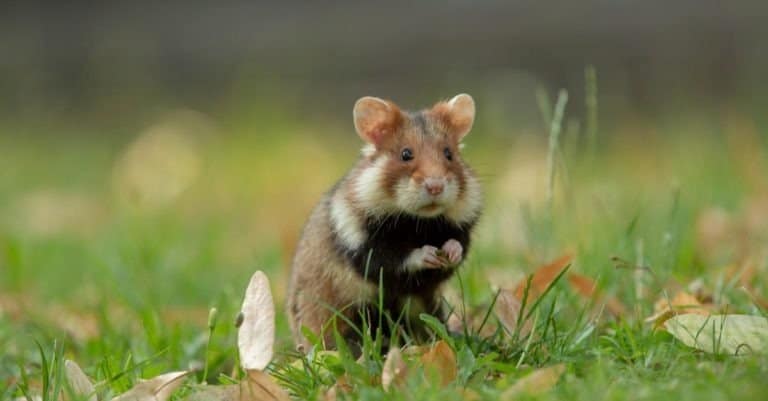
Pouches, burrows, and big impacts
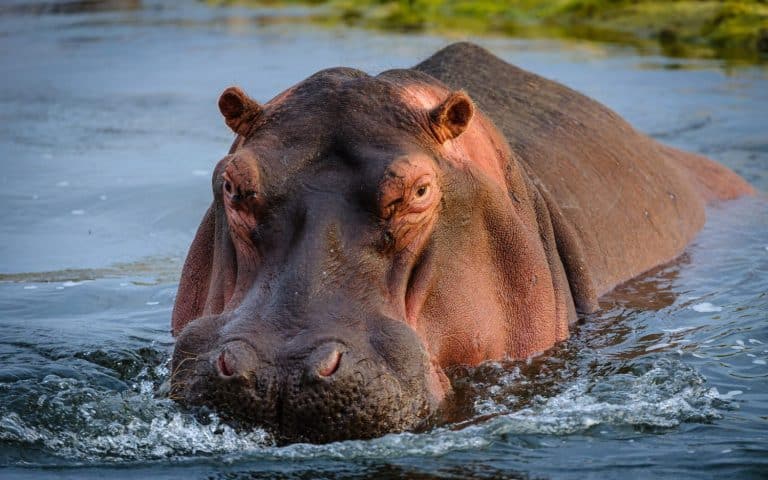
Big river grazer, bigger attitude
One hoofbeat, a thousand histories
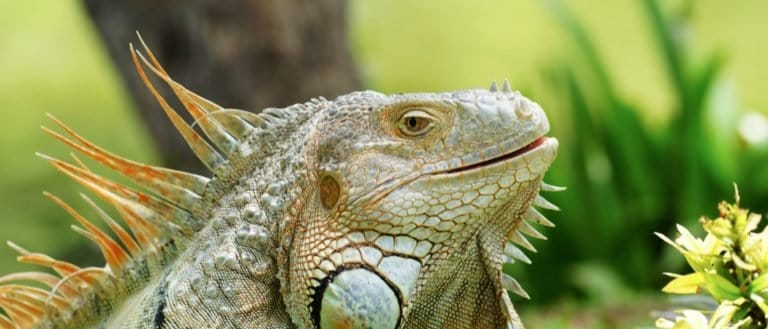
Sun-powered lizards of the Americas
Three stripes. Big city attitude.
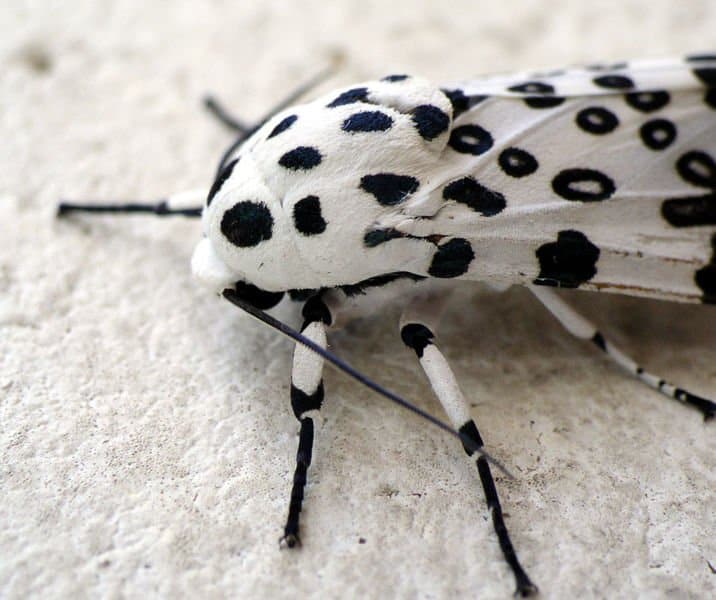
Six legs, endless lives.
Small canids, big survival skills
Thank you for reading! Have some feedback for us?
We appreciate your help in improving our content.
Our editorial team will review your suggestions and make any necessary updates.
There was an error submitting your feedback. Please try again.