
Electric Eel
Lightning hunter of the Amazon

Lightning hunter of the Amazon
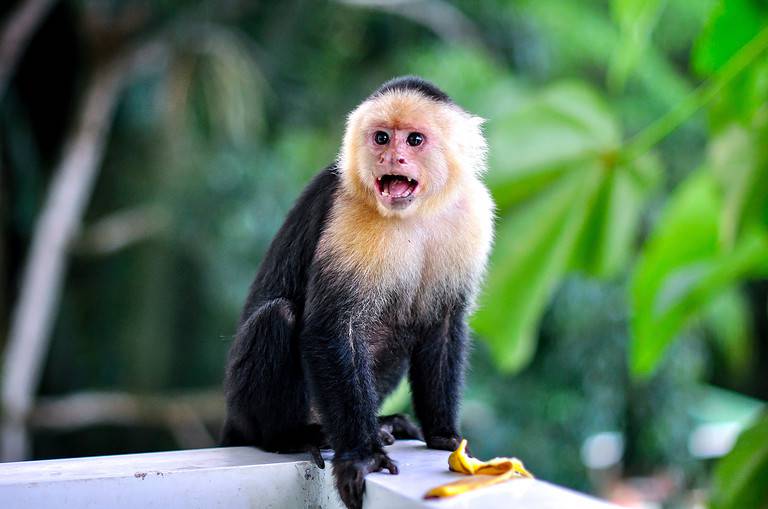
Hands, minds, and social lives
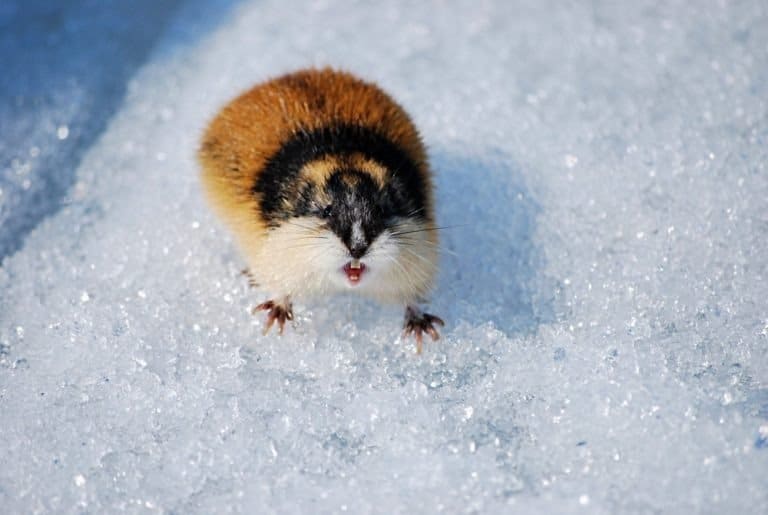
Small rodents, huge tundra impact

From dunes to tundra-fox smart.
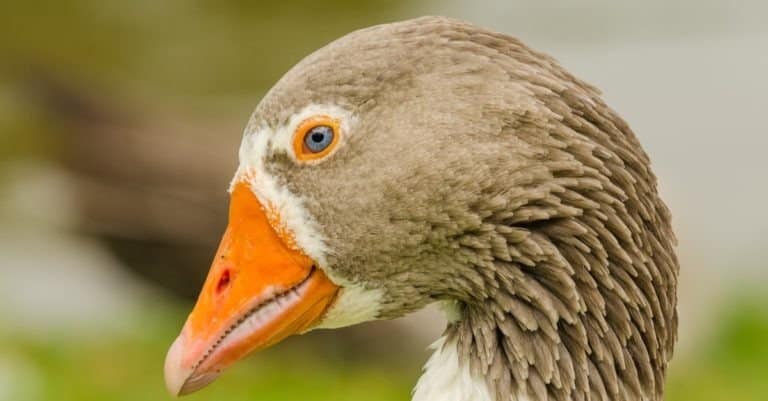
Webbed feet, sky roads, wetland lives

From geckos to dragons-lizard power
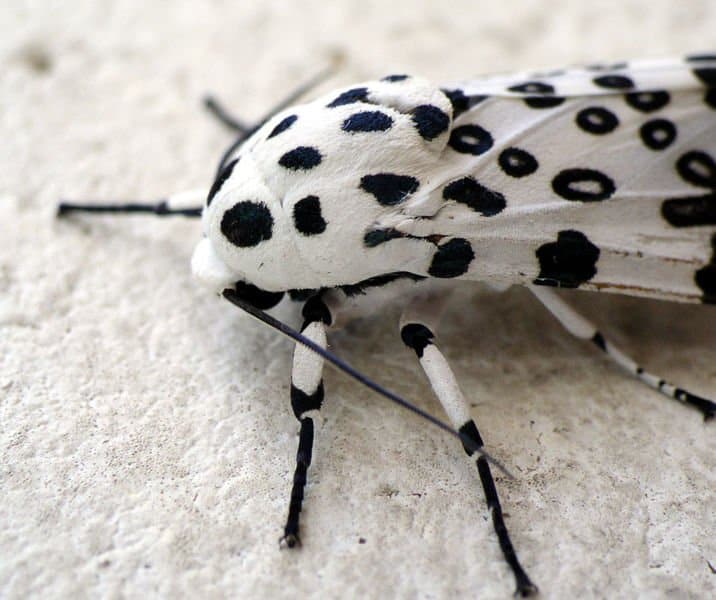
Six legs, endless lives.

More than night flyers

Power of the Americas' apex cat
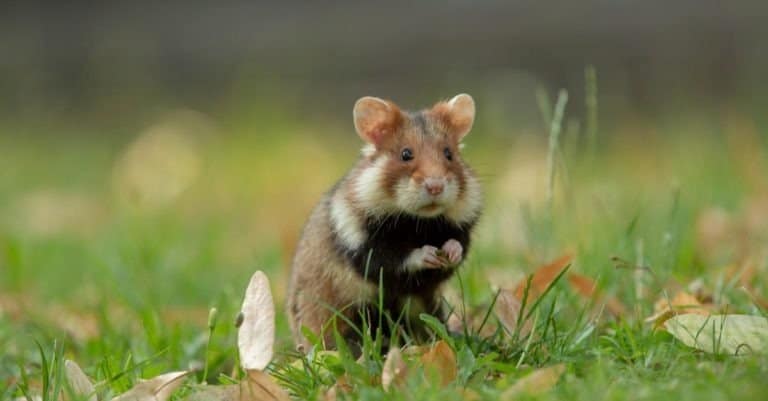
Pouches, burrows, and big impacts
A pair is a social unit consisting of two individuals that maintain an association across repeated interactions, often characterized by preferential affiliation and coordinated behavior. In many species, pairs are formed through pair-bonding between reproductive partners and can persist for a breeding season or multiple years.
A pair is the simplest social group: two individuals that prefer each other more than others. Pairs often form for mating, especially in birds, where partners help get food, guard territory, time breeding, and cut the cost of finding mates. Pairing can last one season or many years, depending on life history and resources. Paired animals may work together to defend territory by singing duets, showing, or keeping watch. They may also forage together or protect each other from predators. Parental care varies: many birds show biparental care; in mammals pairs are rarer but occur in gibbons and some canids. A pair does not always mean strict mating; social monogamy can include extra-pair mating, same-sex pairs, or non-breeding alliances.
Typically a cooperative partnership between two bonded individuals with no fixed dominance rank; influence may shift by context (e.g., one leads during foraging while the other leads during territorial encounters).
Co-resident mate; shares territory use and may take a lead role depending on task (e.g., route choice, vigilance).
Co-resident mate; reciprocally supports partner and may specialize in complementary tasks (e.g., defense, provisioning).
Role either partner may assume; participates in boundary patrols, vocal displays, and repelling intruders.
Role either partner may assume; locates food and may share or deliver it to mate/offspring when present.
Role either partner may assume; increases predator awareness while the other feeds or tends young.
One or both partners engage in incubation/brooding, carrying, grooming, guarding, or feeding young depending on species.
Typically forms through courtship and mate choice, often following dispersal from natal areas. In many species a pair bond is established after repeated affiliative interactions, coordinated displays/songs, and successful territory acquisition or nesting-site selection. Some pairs reunite across breeding seasons (site fidelity + partner fidelity), while others form anew each season if a partner is lost or conditions change.
High-frequency close contact (allopreening/grooming, mating, shared sleeping/nesting) increases pathogen and parasite transmission; because the pair is a tight, repeated-contact network, infection of one partner often quickly exposes the other and can synchronize illness, reducing foraging, vigilance, and reproductive success.
Pair-living can increase detectability through duets/calls, coordinated movements, and repeated use of shared nests or roosts; two animals produce more visual and acoustic cues than one, potentially drawing predators to adults, nests, or offspring during territorial defense or provisioning.
Found across: Birds (many passerines, waterfowl, raptors, cranes), Mammals (notably gibbons; also some small antelopes and carnivores in certain species), Fishes (common in reef fishes such as angelfishes and butterflyfishes), Reptiles (rarer, but present in a few skinks and other taxa)
Many "monogamous" animal pairs aren't genetically exclusive-extra-pair matings can be common even when a pair bond stays stable for territory and parenting.
In several birds, partners can coordinate like a two-person team: one takes the risky job (sentinel/defense) while the other forages or tends the nest, then they swap.
Some species use duets-highly synchronized calling by both partners-to advertise the relationship and jointly warn off rivals, essentially "broadcasting" the pair bond.
Paired living can be as much about ecology as romance: two individuals can defend a territory that's too large for one but not worth a whole group, making "two" the optimal team size.
Stable pairs sometimes show conflict-management behaviors (ritualized greetings, grooming, or reunion displays) that reduce aggression after separations and help maintain cooperation.
Like a two-person household or small business partnership, a pair often splits tasks (income/foraging vs. home/nest care) and benefits from reliability more than sheer numbers.
Pairs resemble "co-owners" of property: territory defense is like maintaining shared real estate, and strong coordination can deter competitors more effectively than solo ownership.
A pair bond can function like a long-term contract: it persists because it reduces uncertainty and negotiation costs each season, even if either partner could sometimes "cheat" or switch.
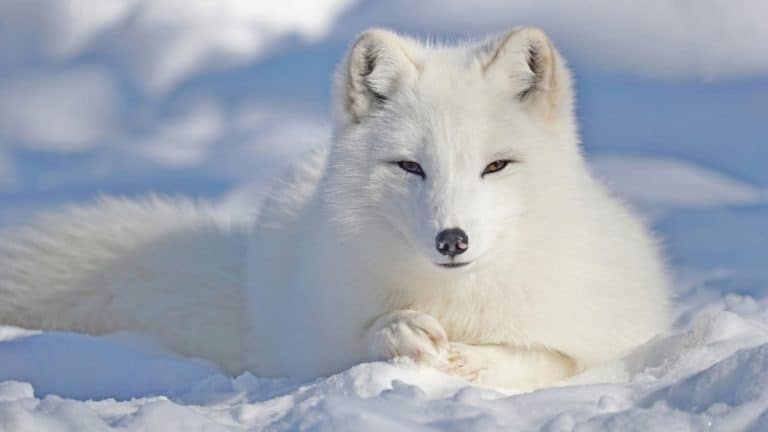
Built for blizzards, born for tundra
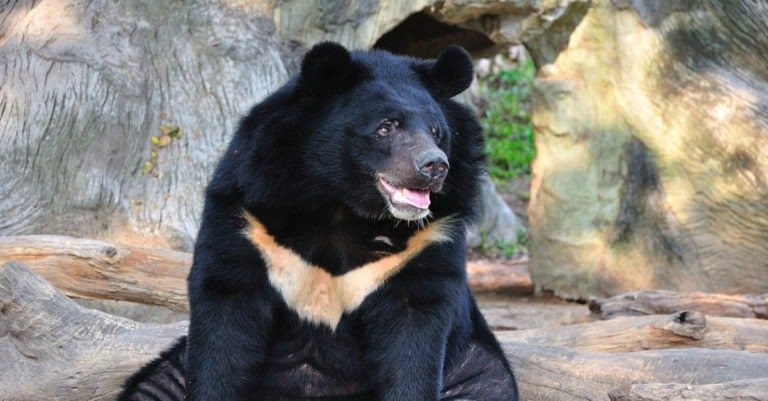
Moon-marked climber of Asian forests
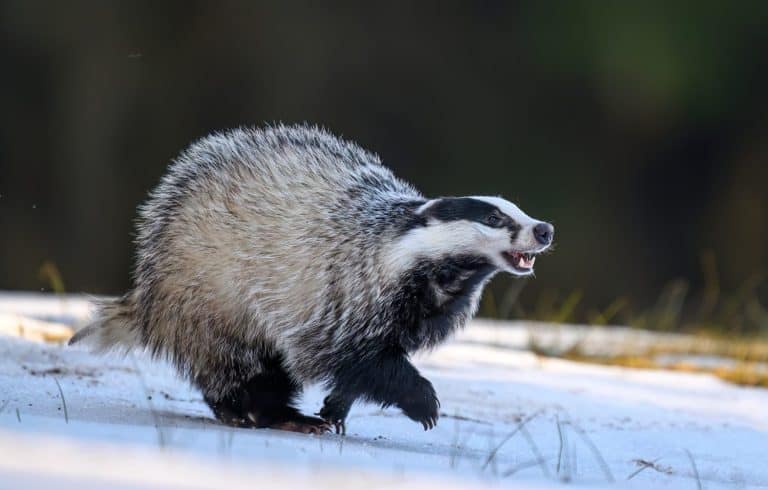
Built to dig. Born to endure.
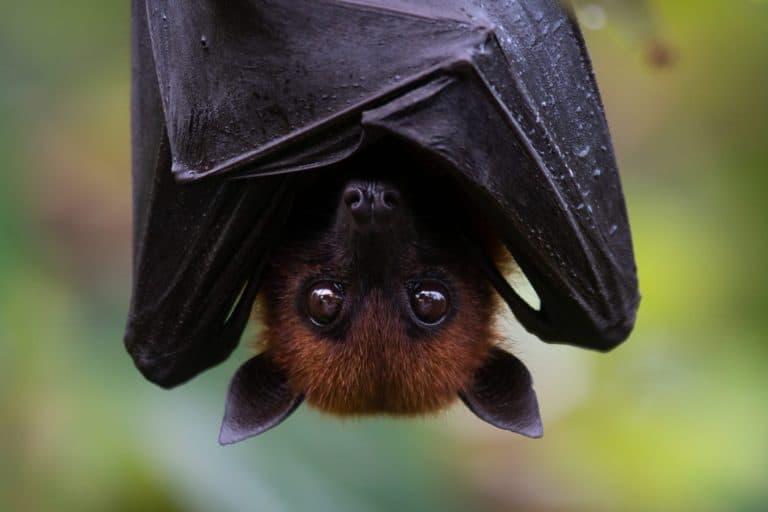
Night pilots of the mammal world
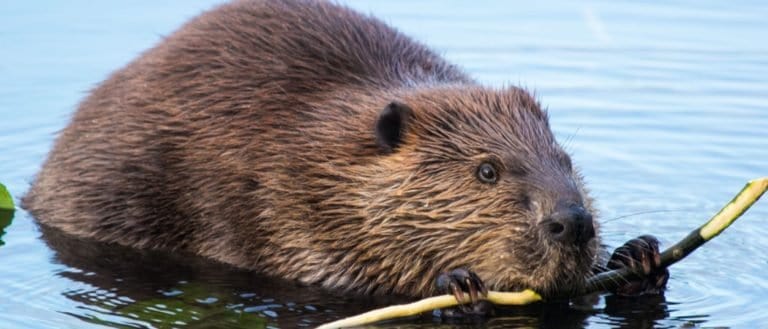
Build wetlands, shape worlds.

One cat. Two continents.
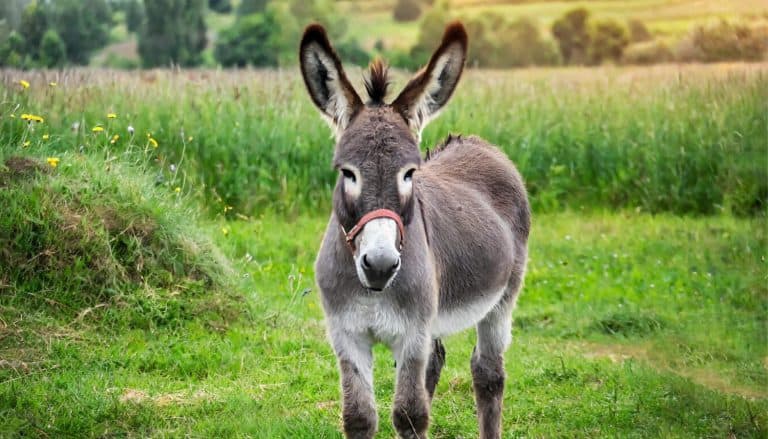
Sure-footed partner of people

Big beard, bright sun, bold attitude.

Webbed feet, world travelers.
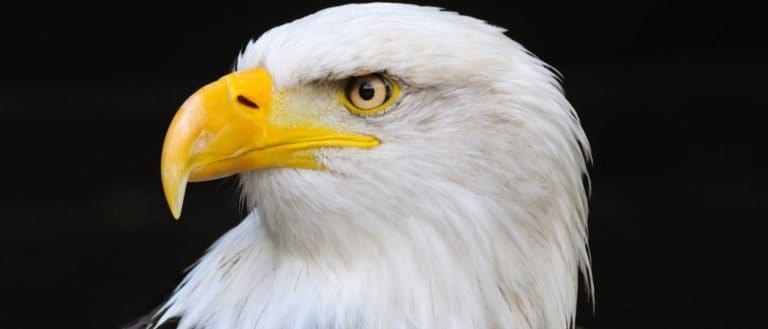
Built to soar, born to strike

Spines, eggs, and ant-eating mastery
Lightning hunter of the Amazon
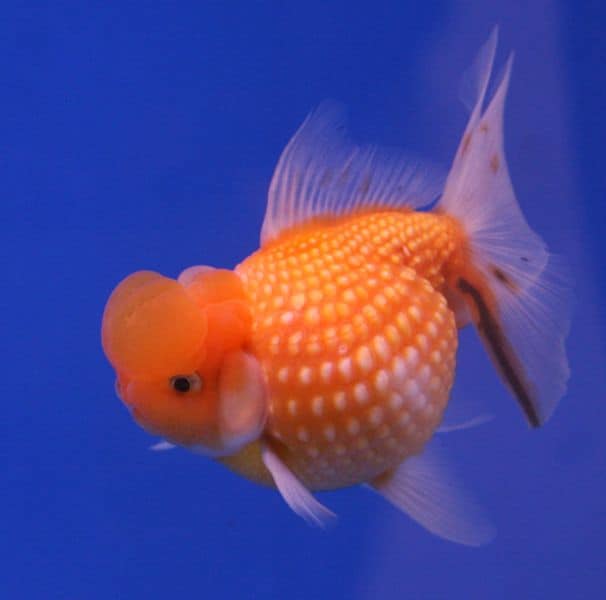
Bony rays, endless ways.
From dunes to tundra-fox smart.
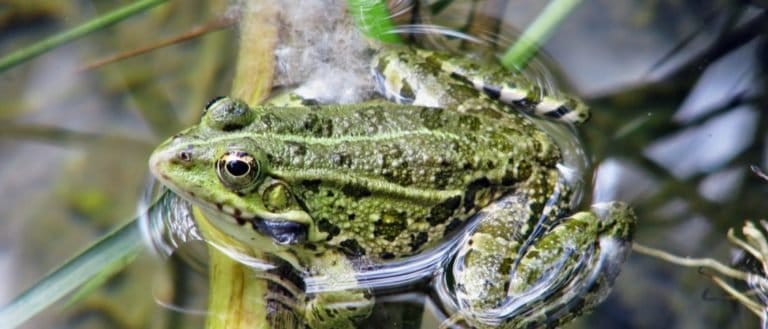
Tailless jumpers, masters of change
Webbed feet, sky roads, wetland lives
Pouches, burrows, and big impacts

One hoofbeat, a thousand histories

Sun-powered lizards of the Americas
Six legs, endless lives.
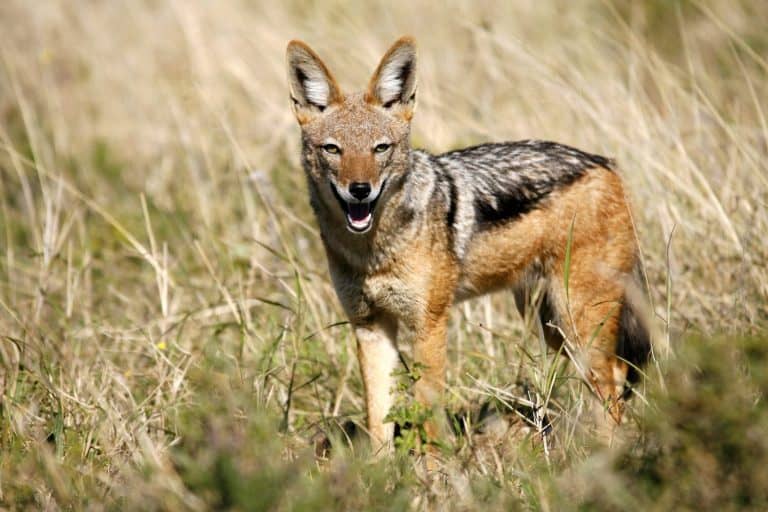
Small canids, big survival skills
Power of the Americas' apex cat

Big hops, big pouches, big variety

Cold-water royalty of the seafloor
Thank you for reading! Have some feedback for us?
We appreciate your help in improving our content.
Our editorial team will review your suggestions and make any necessary updates.
There was an error submitting your feedback. Please try again.