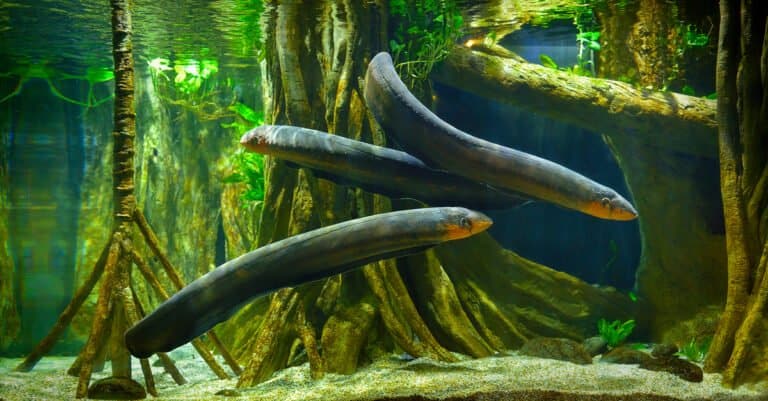
Electric Eel
Lightning hunter of the Amazon

Lightning hunter of the Amazon

Webbed feet, world travelers.
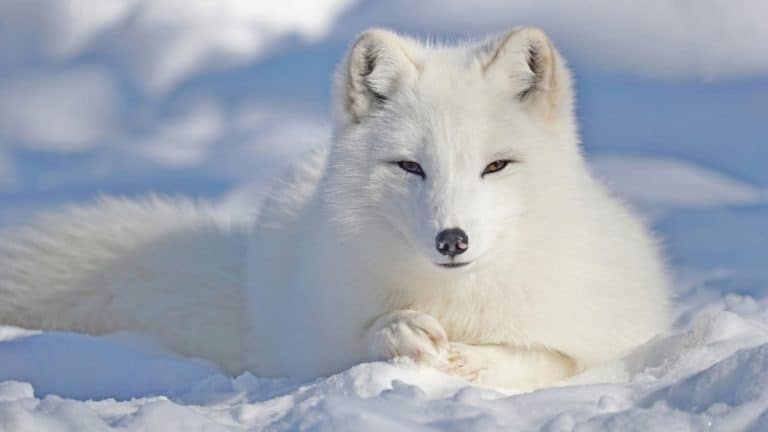
Built for blizzards, born for tundra

From dunes to tundra-fox smart.

Built to soar, born to strike
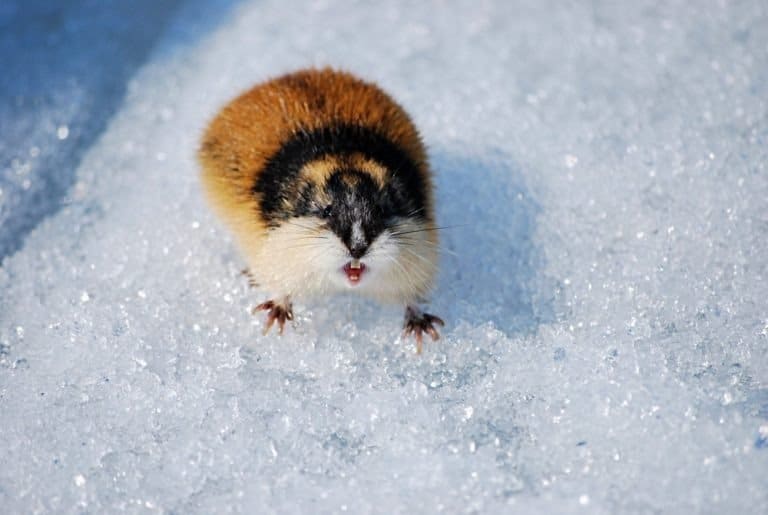
Small rodents, huge tundra impact

Bony rays, endless ways.
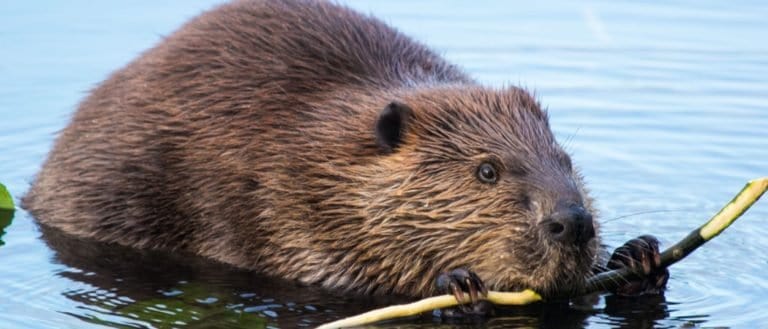
Build wetlands, shape worlds.

Humps of fat, miles of grit
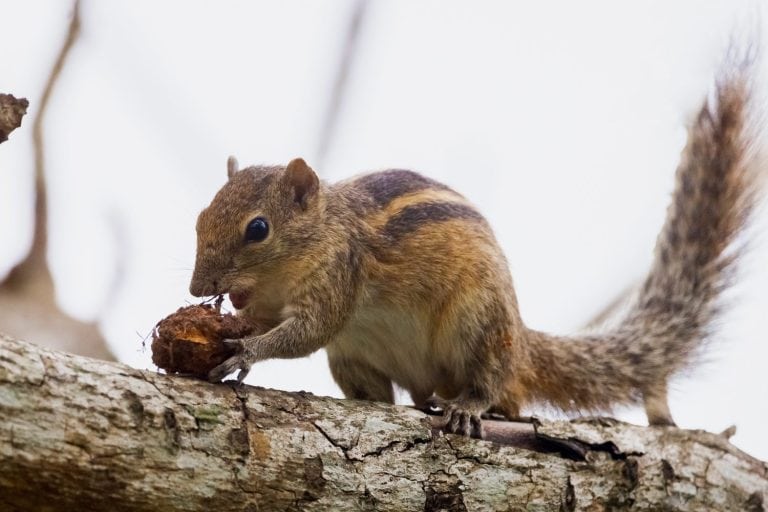
Three stripes. Big city attitude.
Plains are broad expanses of lowland terrain that are flat to gently undulating, with minimal local relief and generally low slopes. They occur in many climates and commonly support grasslands or intensive agriculture due to their open topography and often fertile soils.
Plains form where long-term processes reduce topographic relief or where sediments accumulate over wide areas. Many plains develop through fluvial deposition as rivers spread alluvium across floodplains and deltas, creating low-gradient surfaces that may be periodically inundated. Others are built by wind-blown sediments (such as loess) that blanket landscapes with fine, fertile material, or by glacial and glaciofluvial processes that leave behind outwash, till, and broad meltwater-formed surfaces.
Because slopes are typically gentle and elevation changes are small, plains often host large, interconnected drainage networks and may include wetlands, oxbow lakes, or seasonally flooded zones in lower-lying areas. Soils on plains range from highly fertile alluvial and loess-derived soils to more poorly drained clays, depending on parent material and groundwater conditions.
Ecologically and economically, plains commonly support extensive grasslands, savannas, or shrublands where moisture is limited, and they are among the world's most productive agricultural regions where soils and climate are favorable. Their openness also makes them favorable for transportation corridors, settlements, and large-scale land use, while their low relief can increase exposure to hazards such as river flooding, drought, dust storms, and wind erosion.
~0-500 m above sea level for most lowland plains; many occur from near sea level to a few hundred meters where large basins or continental interiors are gently raised.
Near sea level (coastal/deltaic plains) to ~1,000-2,000 m for high interior or intermontane plains/plateaus with very low local relief (e.g., elevated basins, high plains).
Generally very low gradients with broad, subtle undulations; typical slopes ~0-3° (often <1° on floodplains), locally increasing to ~3-5° along terrace margins, natural levees, low bluffs, or at the transition to uplands.
Plains form as broad low-relief surfaces created primarily by long-term erosion and/or sediment accumulation. Common pathways include fluvial deposition on floodplains and deltas (overbank silts and clays, channel sands), aggradation from migrating river systems, wind-blown sediment accumulation (loess blankets and sand sheets), glacial and glaciofluvial deposition (till plains, outwash plains), coastal/marine deposition and uplifted seafloors (coastal plains), and tectonic subsidence of basins followed by sediment infill.
Moderately stable overall in terms of topographic relief, but locally dynamic where water or wind is active. Floodplains can shift rapidly via channel migration, bank erosion, overbank deposition, and avulsion; arid plains may experience episodic dust storms, dune migration, and surface crust disruption. Stability increases on older terraces/loess plains and decreases in active river corridors, deltas, and coastal plains subject to flooding or subsidence.
Generally high due to low slopes and open sightlines, supporting efficient movement for many wildlife species and large herd migrations. Local impediments include wetlands and soft/organic soils, seasonal mud and flooding, dense riparian vegetation along rivers, saline/alkali flats with weak crusts, and loose sands/dunes or deeply rutted soils in heavily disturbed/agricultural areas.
Extreme sustained running speed and large lungs/heart for endurance in open plains with long predator sightlines
Specialized sprinting build (flexible spine, long legs, semi-retractable claws) for rapid acceleration on open grasslands
Endurance walking/trotting and efficient grazing travel across broad ranges, often in migratory herds
Herding and powerful, energy-efficient locomotion to roam widely for patchy forage on grass-dominated plains
Cooperative hunting that uses open-terrain strategy-stalking low in grass and coordinated flanking rather than ambush from dense cover
Burrow-based refuge system for predator avoidance and thermoregulation in exposed, low-relief landscapes
Extensive burrow networks and vigilant colony behavior to compensate for limited hiding cover on open plains
Ground-nesting and strong walking/running with explosive takeoff to use wide open sightlines and sparse cover
Long legs and terrestrial hunting-stalking and stamping prey (including snakes) while moving efficiently through grasslands
Long-distance migratory endurance and enlarged nasal passages that filter dust and condition dry, windy steppe air
"Flat" doesn't mean "inactive": many plains are built by constant river deposition, so the ground surface can subtly rise over time as layers of sediment accumulate.
Plains can be some of the most flood-prone landscapes precisely because they're flat-water spreads out widely instead of quickly draining downslope.
Some of the world's most fertile plains owe their productivity to wind, not rivers: loess plains form from dust blown in during past cold, dry climates.
A plain can be high in elevation: "plain" describes low relief (small slope and little variation), not necessarily being near sea level (e.g., high plateaus with plain-like surfaces).
Plains aren't always stable ground-fine-grained sediments and high groundwater can amplify earthquake shaking and increase liquefaction risk compared with nearby bedrock hills.
Glaciers can create plains that look deceptively uniform while hiding complex buried landscapes (old valleys, channels, and moraines) under a smooth blanket of till or outwash.
Some plains are naturally treeless not because trees can't grow there, but because periodic fires, grazing, and climate can maintain grasslands over large areas.
Because winds encounter little topographic blocking, plains can experience extreme wind events and rapid weather changes, making them hotspots for severe thunderstorms in some regions.
The "best farmland" plains often require heavy management: the same deep, rich soils can erode quickly when left bare, especially under strong winds or intense rain.
Even gentle slopes can strongly control rivers: on plains, tiny elevation differences can shift channels dramatically, causing rivers to meander, abandon loops, and create new courses over surprisingly short timescales.
The West Siberian Plain is often cited as one of the largest continuous plains on Earth, spanning an immense low-relief region across Russia.
The Great Plains of North America form one of the world's biggest mid-latitude grassland-plain systems, stretching from Canada deep into the U.S.
The Indo-Gangetic Plain is among the most extensive alluvial plains on the planet, built by sediment from the Himalaya and supporting one of the largest concentrations of people and farms.
The Pampas are one of the largest temperate plains in the Southern Hemisphere and rank among the most productive agricultural regions due to deep, fertile soils.
The North European Plain is one of the longest lowland corridors in Europe, running from northern France and Belgium across Germany and Poland into western Russia.
Some of the thickest accumulations of wind-blown silt (loess) that create exceptionally fertile plains occur on the Chinese Loess Plateau, where deposits can reach hundreds of meters in thickness.
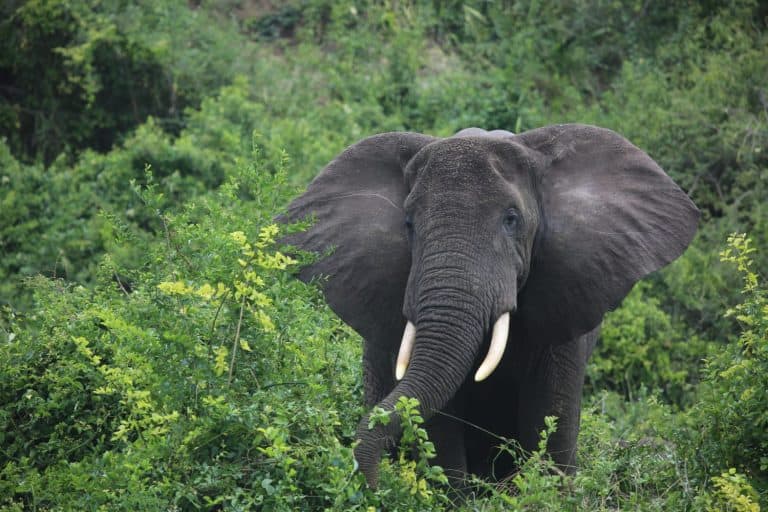
The rainforest's master gardener
Built for blizzards, born for tundra
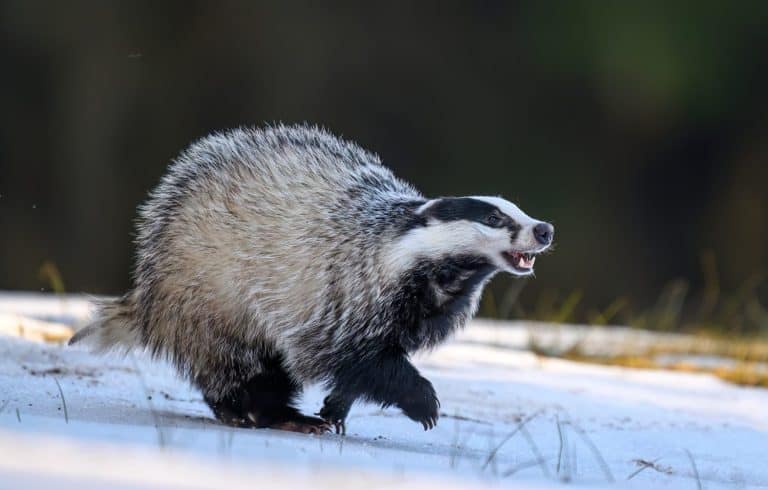
Built to dig. Born to endure.

Night pilots of the mammal world
Build wetlands, shape worlds.
Humps of fat, miles of grit

Small hunter, big household legend
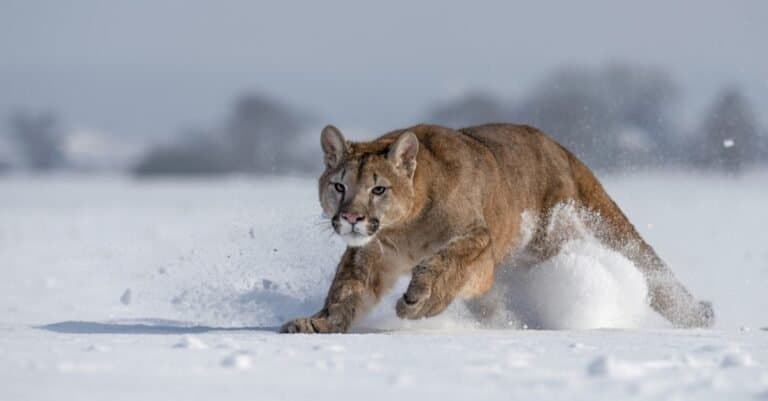
One cat. Two continents.
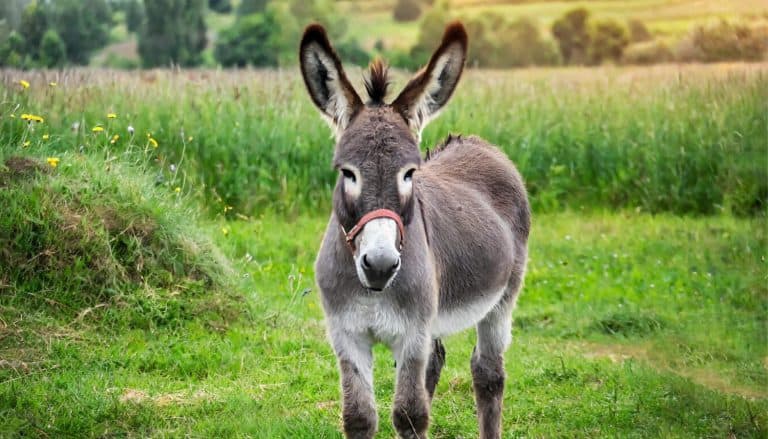
Sure-footed partner of people

Big beard, bright sun, bold attitude.
Webbed feet, world travelers.
Built to soar, born to strike

Spines, eggs, and ant-eating mastery
Lightning hunter of the Amazon
Bony rays, endless ways.
From dunes to tundra-fox smart.
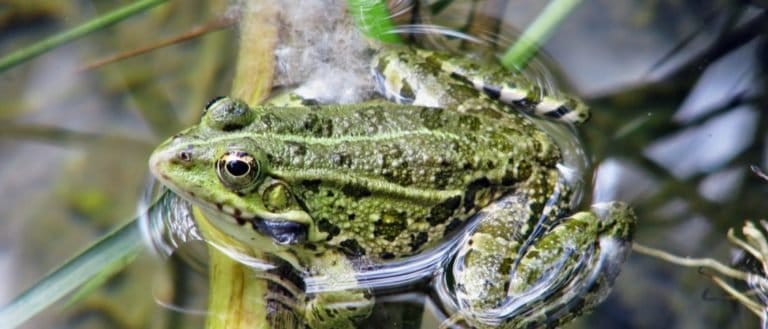
Tailless jumpers, masters of change
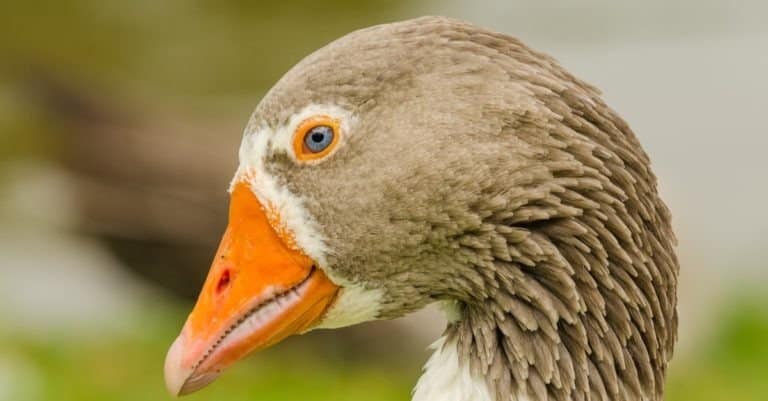
Webbed feet, sky roads, wetland lives

Gentle giants of the African forests

Pouches, burrows, and big impacts
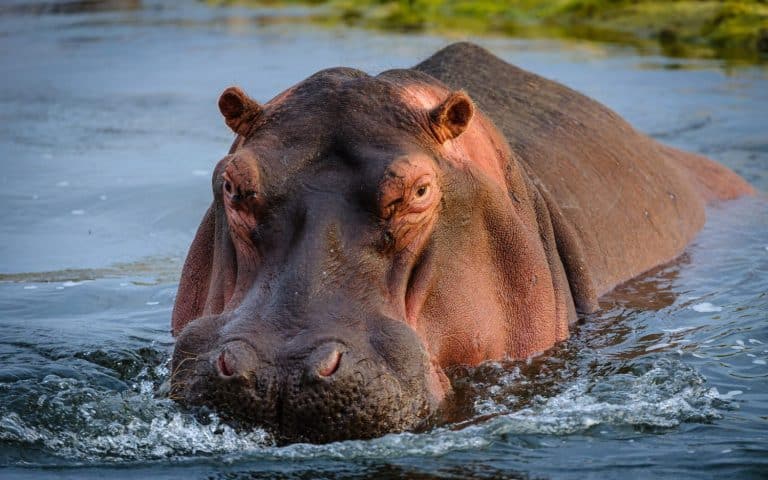
Big river grazer, bigger attitude
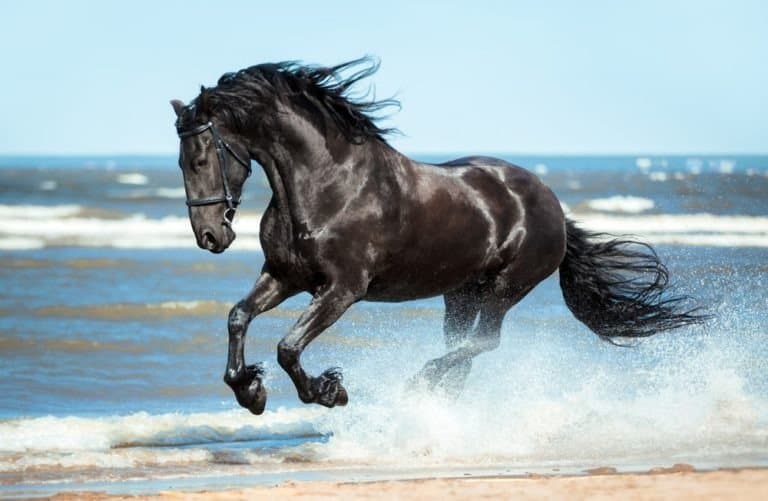
One hoofbeat, a thousand histories

Sun-powered lizards of the Americas
Three stripes. Big city attitude.
Thank you for reading! Have some feedback for us?
We appreciate your help in improving our content.
Our editorial team will review your suggestions and make any necessary updates.
There was an error submitting your feedback. Please try again.