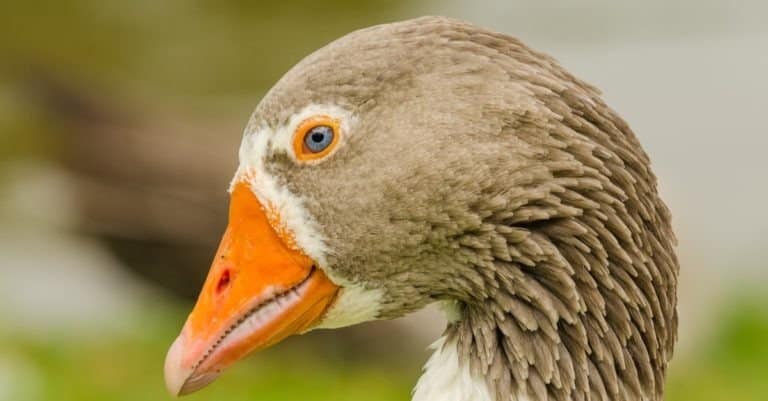
Goose
Webbed feet, sky roads, wetland lives

Webbed feet, sky roads, wetland lives
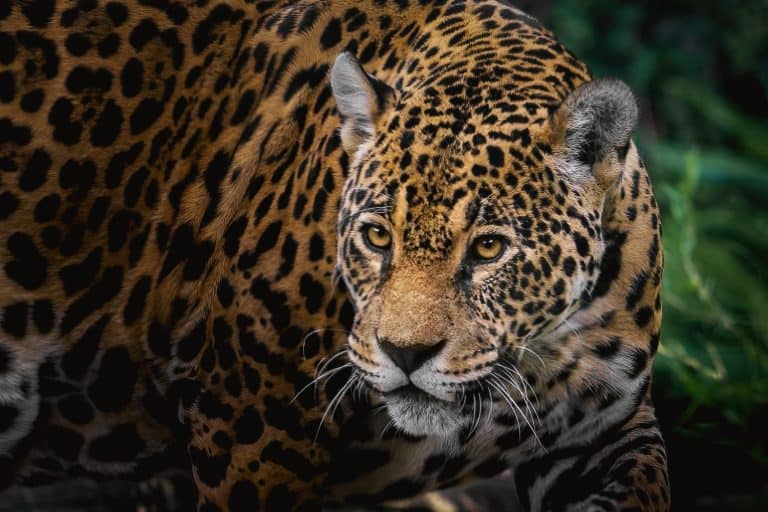
Power of the Americas' apex cat
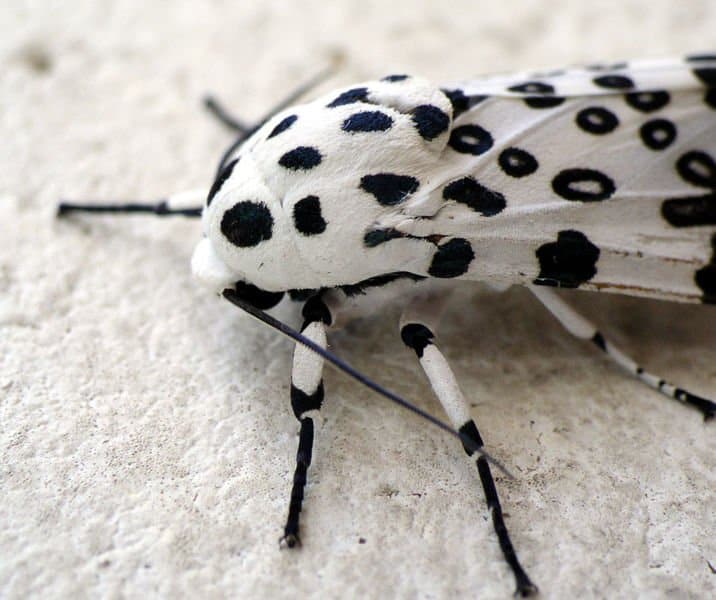
Six legs, endless lives.
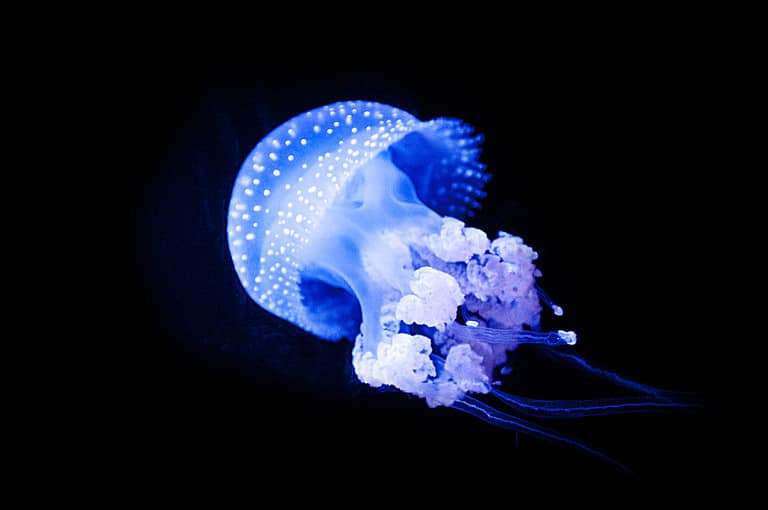
Sting-powered drifters of the sea
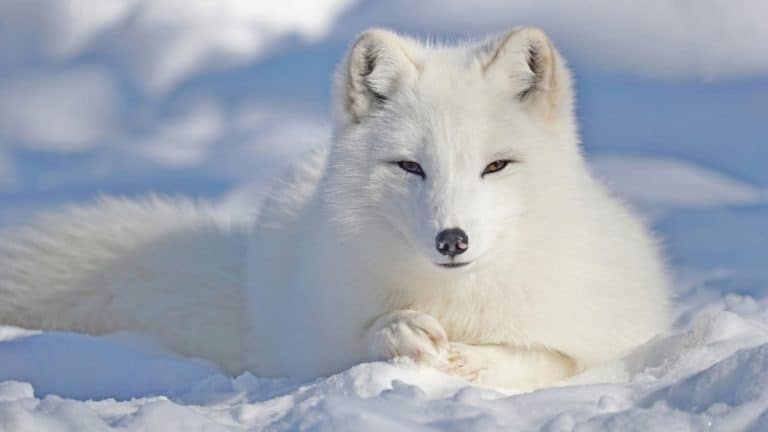
Built for blizzards, born for tundra
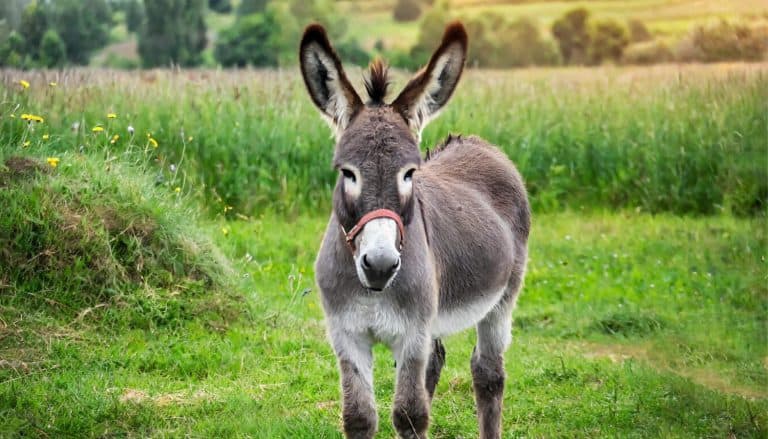
Sure-footed partner of people
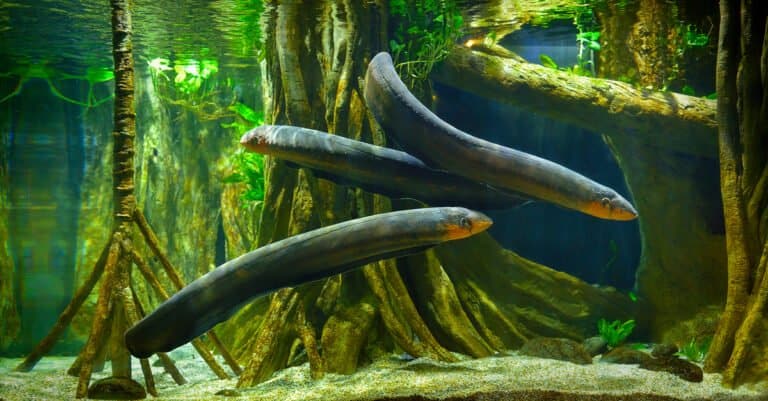
Lightning hunter of the Amazon
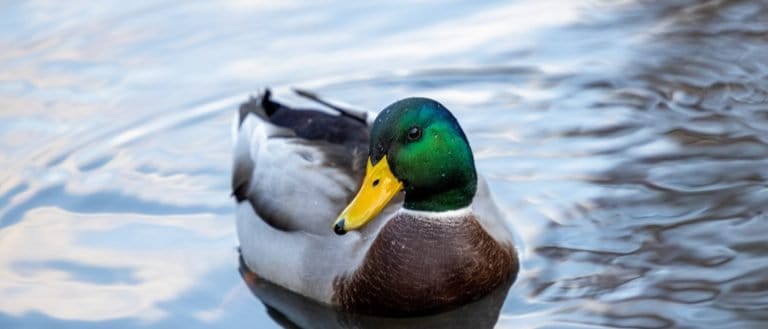
Webbed feet, world travelers.
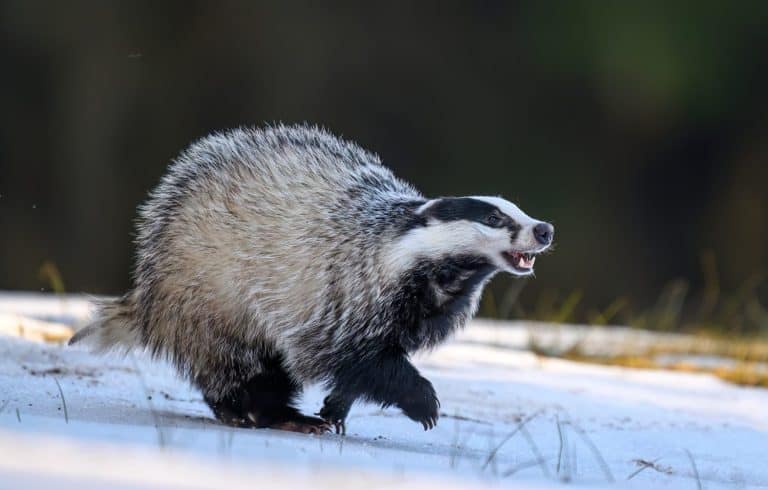
Built to dig. Born to endure.
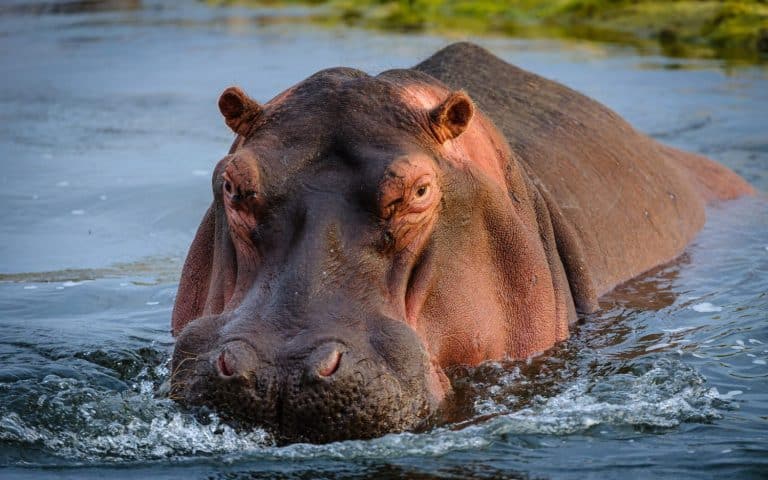
Big river grazer, bigger attitude
Crepuscular describes an activity pattern in which an organism's peak locomotion, foraging, and social behaviors occur primarily during twilight-around dawn and dusk-rather than during full daylight or the darkest hours of night. This pattern is often associated with adaptations to low light and with ecological advantages tied to temperature, visibility, and predator-prey dynamics at day-night transitions.
Crepuscular animals concentrate their activity around the two transition times of the day: dawn and dusk. Twilight brings dim light, changing temperatures, and shifts in other animals' behavior, which can make it easier to hunt, find food, move, or avoid being hunted. In nature, crepuscular timing often balances seeing and being seen: low light gives some predators an edge over prey that need bright light, while prey may move when visual hunters are less effective. Twilight also cuts heat stress and water loss compared with midday, important in open and dry places. Crepuscular behavior is flexible, and many species also act by day or night depending on season, weather, food, people, or predators. It usually means two daily peaks rather than a strict rule.
Etymology: From Latin crepusculum ("twilight, dusk"), of uncertain origin. The English term crepuscular has been used in biological contexts to describe twilight activity patterns.
"Crepuscular means the animal is active all night." (It usually peaks at twilight and may be relatively inactive during the darkest hours.)
"Crepuscular is just another word for nocturnal." (Nocturnal species peak during the night; crepuscular species peak at dawn/dusk.)
"Crepuscular animals are always inactive during the day." (Many show daytime activity when conditions favor it, such as during breeding, feeding opportunities, or low disturbance.)
Primarily active in two daily windows centered on dawn and dusk (twilight), with relatively low activity during full daylight and the darkest part of night.
Dawn bout: ~60-90 minutes before sunrise; Dusk bout: ~60-90 minutes before sunset
Strongest peaks typically within ~30 minutes of sunrise and within ~30 minutes of sunset (often greatest at the sun's disc just below/at the horizon).
Dawn bout: ~60-120 minutes after sunrise; Dusk bout: ~60-120 minutes after sunset
Timing shifts with local sunrise/sunset across seasons. In summer, activity windows occur earlier at dawn and later at dusk and may shorten or move closer to the edges of twilight if midday heat increases (some species become more nocturnal). In winter, windows occur later/earlier respectively and may compress around the shorter twilight periods, with more activity occurring in daylight-adjacent twilight if nights are long and cold.
At higher latitudes, twilight lasts longer, so crepuscular activity windows can expand (sometimes several hours), and animals may track solar elevation rather than clock time (e.g., most active when the sun is roughly between about −6° and +6° relative to the horizon). In polar summer (midnight sun) and polar winter (polar night), distinct dawn/dusk may be absent for weeks; crepuscular species often shift toward more diurnal or nocturnal activity, show weaker daily peaks, or key activity to the lowest-light portion of the 24-hour cycle (when the sun is lowest or when cloud cover creates the dimmest period).
Crepuscular activity at dawn and dusk is a time when animals see differently: predators and prey have different visual strengths, so twilight can raise the chance predators meet prey while hiding prey from some hunters. Predators time hunts to catch animals moving between refuges and feeding sites. Prey move or feed then because top predators are often less active or less able to see. This leads to an arms race, with both sides using crepuscular timing.
Dawn and dusk typically offer cooler temperatures, lower solar radiation, and often higher humidity than midday. Crepuscular activity helps animals avoid overheating and reduce evaporative water loss, allowing sustained movement and foraging at a lower physiological cost-especially in open habitats, deserts, and seasons with high daytime heat.
By concentrating activity in twilight, animals can sidestep peak activity of strictly diurnal competitors (daylight foragers) and strictly nocturnal competitors (night foragers). This temporal partitioning reduces interference (direct conflicts) and exploitative competition (depleting the same food at the same time), effectively opening a "time-based niche" that can support coexistence.
Many resources peak or are more reachable at dawn and dusk: prey come out to feed, insects swarm when wind is low and temperatures are mild, and herbivores graze when plants are less heat stressed and lose less water. Twilight also matches daily moves between shelter and feeding areas, giving predators and scavengers more chances to find food.
Optimized for low, rapidly changing light levels at dawn and dusk; balances sensitivity (to detect movement and shapes) with enough acuity and color discrimination to function as daylight increases or fades.
Often heightened to compensate for low visibility and to localize prey/predators when light is unreliable; emphasizes directional hearing and detection of faint rustles/calls common at twilight.
Crepuscular animals are most active during a narrow "in-between" window (dawn and dusk) when many people are commuting, indoors, or not paying attention. Visibility is low, so animals are harder to spot even when they're nearby. Many also use cover (hedgerows, brush, riparian edges) and move quickly and quietly to avoid both daytime predators and nocturnal hunters, reducing obvious sightings. Human activity and noise are often high at twilight in parks/roads, prompting animals to stay just out of view or delay movement until it's darker.
Plan for the 30-90 minutes around sunrise and the 30-90 minutes around sunset, adjusting seasonally (earlier in summer, later in winter). Focus on transition habitats where animals enter/exit cover: field edges, woodland margins, creek corridors, wetlands, and trail intersections. Calm, cool, overcast days can extend twilight-like conditions and improve movement; after light rain can increase activity for some species. Arrive early, stay still, and watch "edge lines" rather than open centers.
In cities, crepuscular species often shift their twilight peaks to avoid peak human presence: more activity in the darkest part of dawn (pre-commute) or later into dusk (after foot traffic drops). They use linear features as travel corridors-rail lines, riverbanks, greenbelts, utility easements-and exploit predictable resources (ornamental fruit, irrigated lawns, rodents around dumpsters, pet food left outside). Some become more tolerant of moderate human activity but remain cover-dependent, moving along fences, shrubs, and parked cars to stay concealed.
Artificial light can "stretch" twilight, altering timing cues tied to feeding, movement, and breeding. For some crepuscular animals it increases exposure risk by making them more visible to predators or humans, and can discourage use of otherwise good habitat near lit roads, lots, and trails. For others it can create new foraging opportunities (insects around streetlights, prey drawn to lit areas), potentially shifting activity later into the night and increasing human-wildlife conflict. Lighting also raises road mortality risk by drawing animals to illuminated edges or changing their crossing behavior during dusk/dawn traffic peaks.
Found across: Mammals (ungulates like deer/moose; lagomorphs like rabbits; canids like foxes/coyotes; felids; many rodents), Birds (nightjars/nighthawks; some crepuscular owls and shorebirds), Reptiles (some snakes and many crocodilians show dusk/dawn peaks), Amphibians (many frogs/toads become active at dusk), Insects (mosquitoes; many moths; some crepuscular bees and flies), Fish & marine predators (several sharks and reef predators show twilight hunting peaks)
Crepuscular activity concentrates feeding, movement, and social interactions into dawn/dusk "transition windows," shaping food-web timing and reducing direct competition with strictly diurnal or nocturnal species. By exploiting low-light conditions, crepuscular animals often balance predation risk and hunting efficiency, synchronize with prey emergence or plant/flower cues, and influence daily pulses of energy flow (e.g., twilight insect swarms, ungulate grazing bouts). This timing can stabilize ecosystems by spreading resource use across the day and creating predictable crepuscular peaks in predator-prey encounters, pollination, and scavenging.
"Crepuscular" isn't just a time-of-day label-it's a light-level strategy. Many crepuscular species cue their activity to the changing brightness of twilight more than to a strict clock time, so their peak activity shifts with seasons and latitude.
Twilight can be a safety window: some predators that dominate in full daylight (diurnal) or full night (nocturnal) are less effective in the in-between light, giving crepuscular animals a better chance to feed or travel with reduced risk.
Many insects time their mass movements to dusk because it can reduce dehydration and overheating compared with midday, while still offering enough light for navigation-one reason evening swarms can be so dramatic.
Crepuscular behavior can be a flexible "compromise mode." In some animals it emerges when competition is high: they avoid peak hours of rival species by sliding into dawn/dusk activity, essentially time-sharing the same habitat.
Twilight is acoustically and visually distinctive: cooler air and calmer winds around dawn/dusk can help sound carry farther, which can make communication and hunting-by-sound more effective for some species during these periods.
Think of crepuscular animals as "rush-hour commuters" of the natural world-most active during the transitional peaks (dawn and dusk) rather than in the middle of the day or the dead of night.
If diurnal is "day shift" and nocturnal is "night shift," crepuscular is the "change-of-shift overlap," when conditions and traffic (prey, predators, competitors) are in flux.
Crepuscular vision is like using your phone in dim mode at sunset: not full daylight clarity, not total darkness-just enough light to see while staying less conspicuous.
The rainforest's master gardener
Built for blizzards, born for tundra
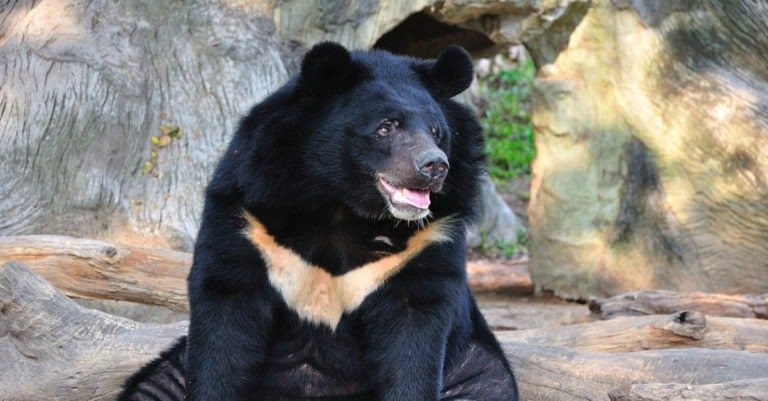
Moon-marked climber of Asian forests
Built to dig. Born to endure.
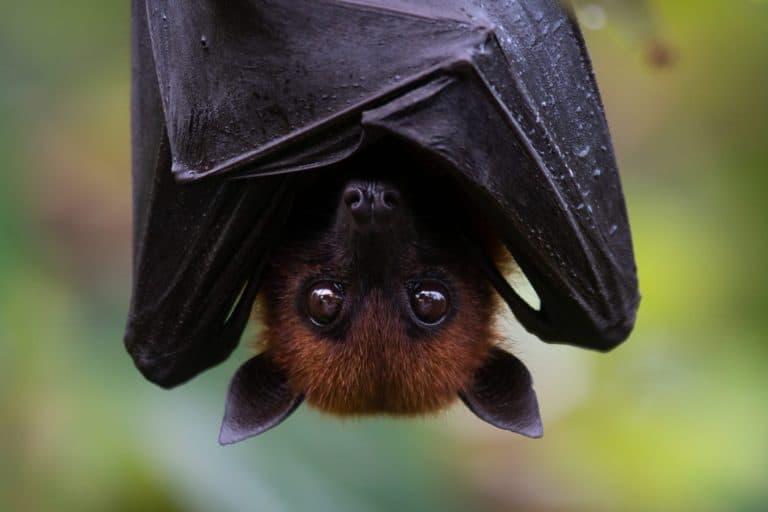
Night pilots of the mammal world
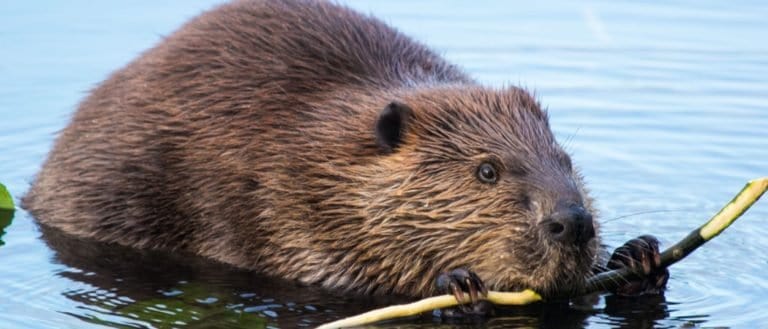
Build wetlands, shape worlds.

Humps of fat, miles of grit
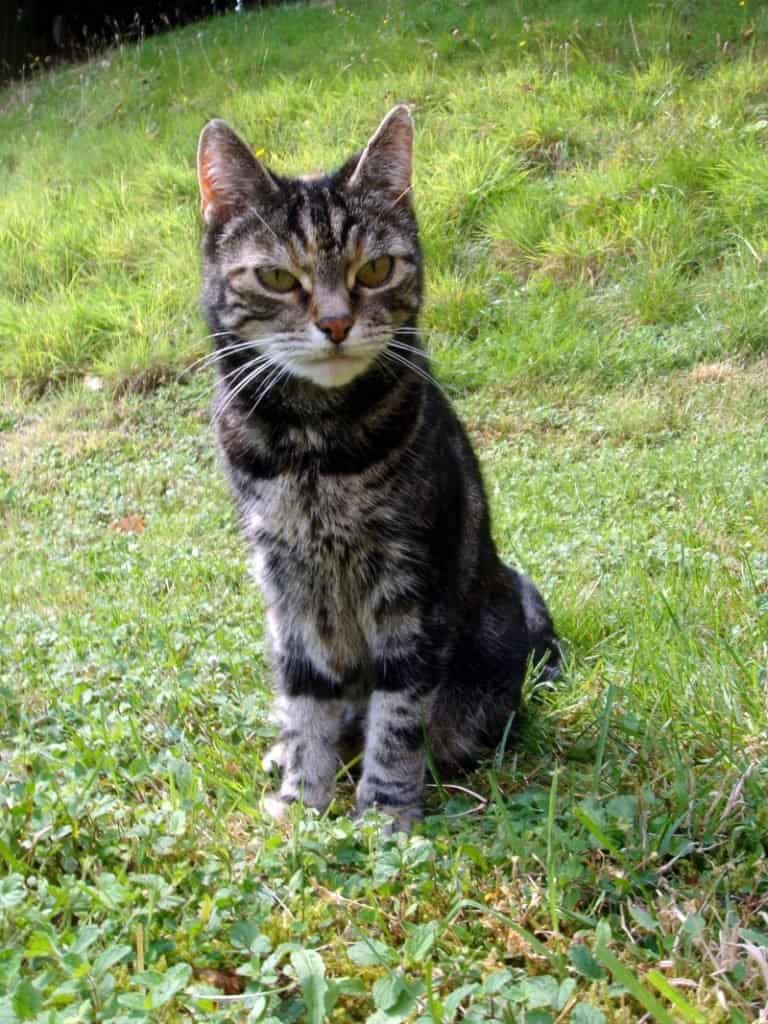
Small hunter, big household legend
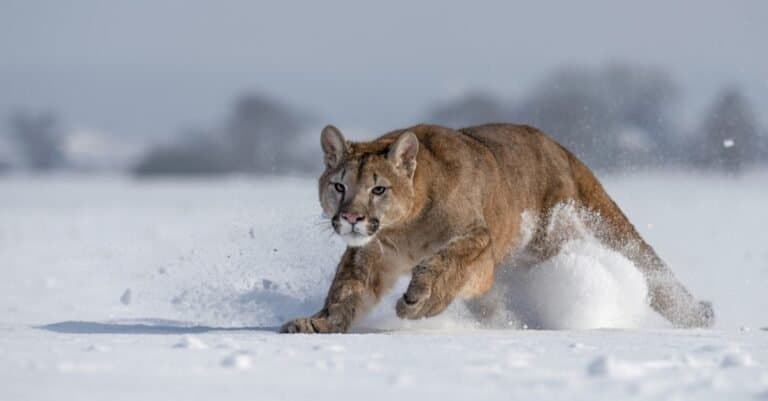
One cat. Two continents.
Sure-footed partner of people
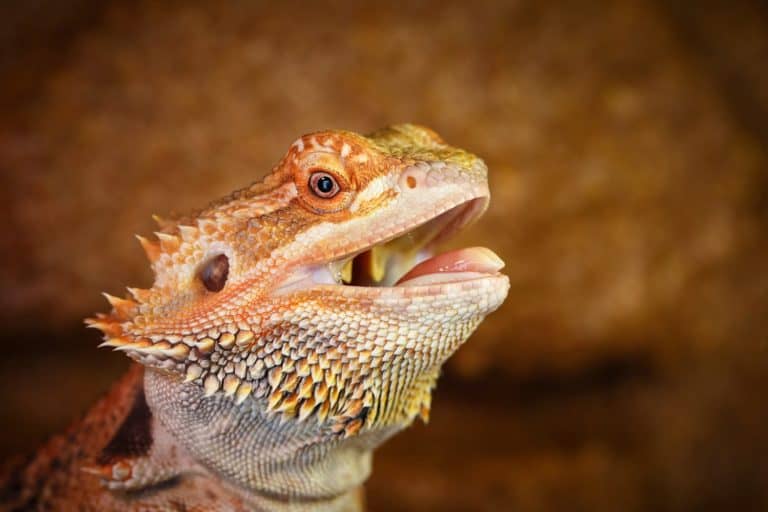
Big beard, bright sun, bold attitude.
Webbed feet, world travelers.
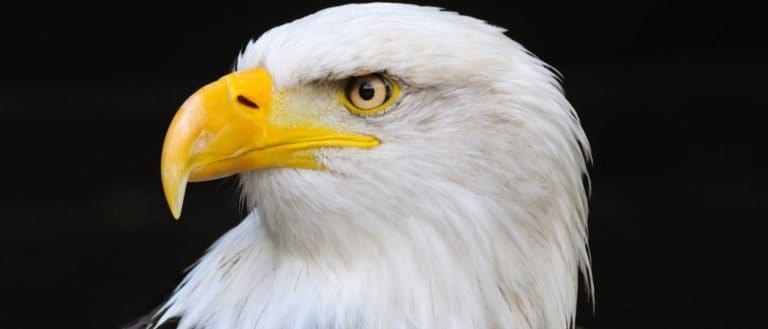
Built to soar, born to strike
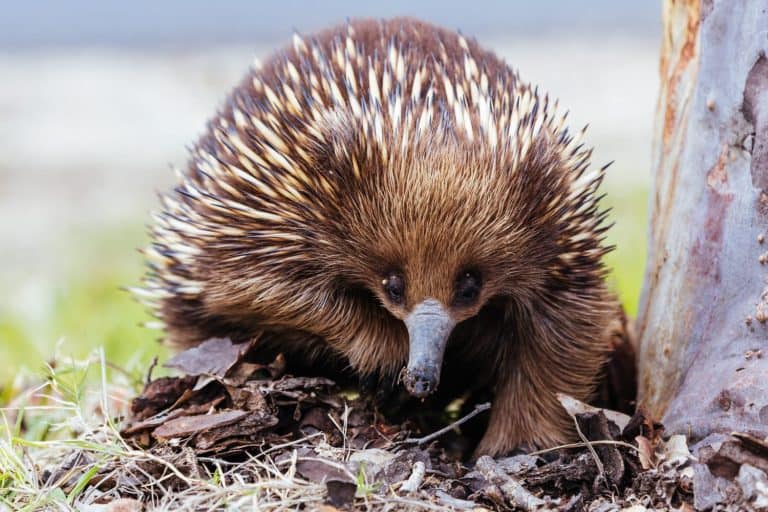
Spines, eggs, and ant-eating mastery
Lightning hunter of the Amazon
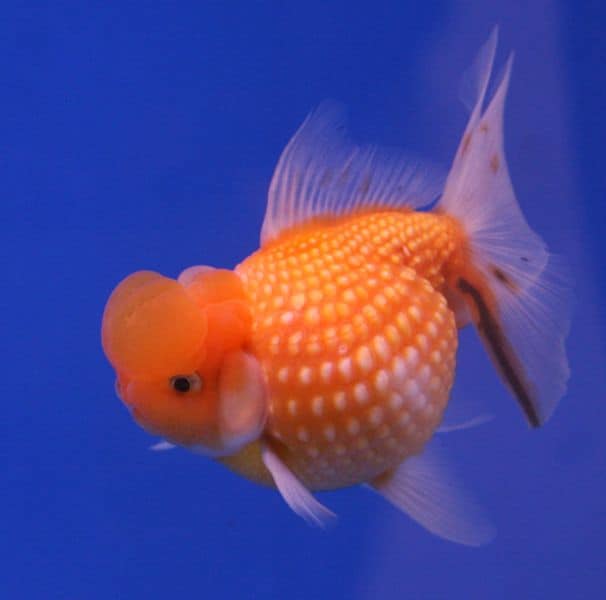
Bony rays, endless ways.
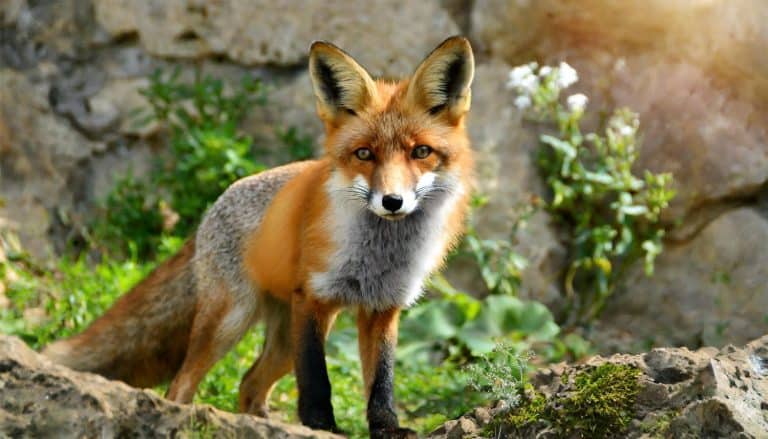
From dunes to tundra-fox smart.
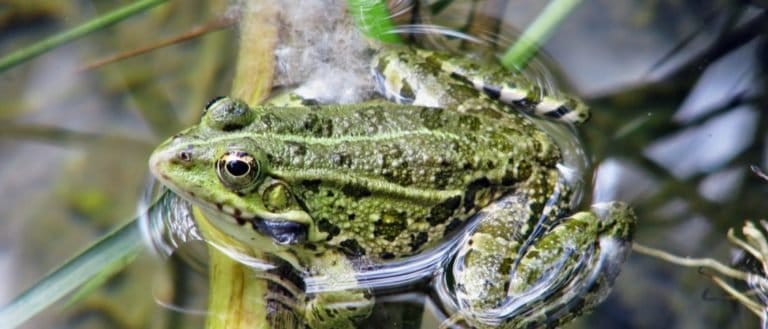
Tailless jumpers, masters of change
Webbed feet, sky roads, wetland lives
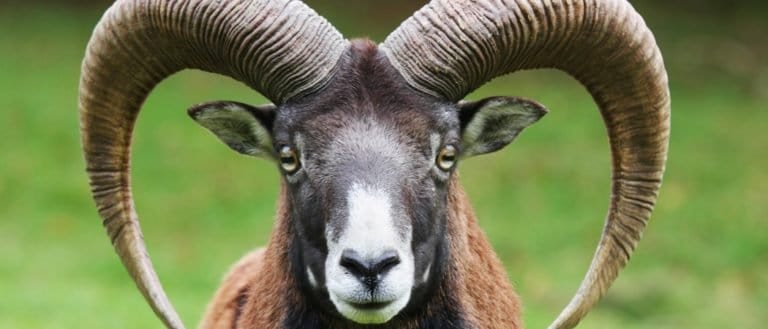
Sure-footed masters of rock and range
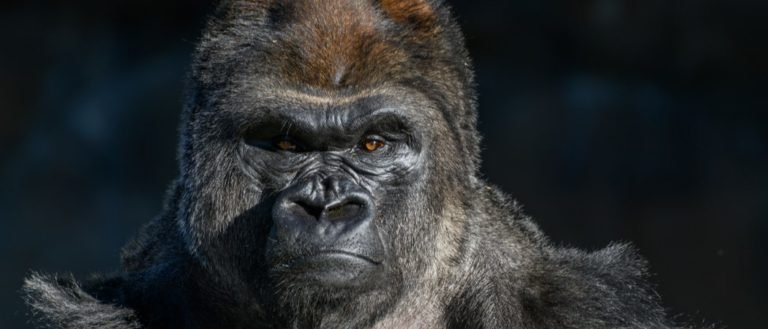
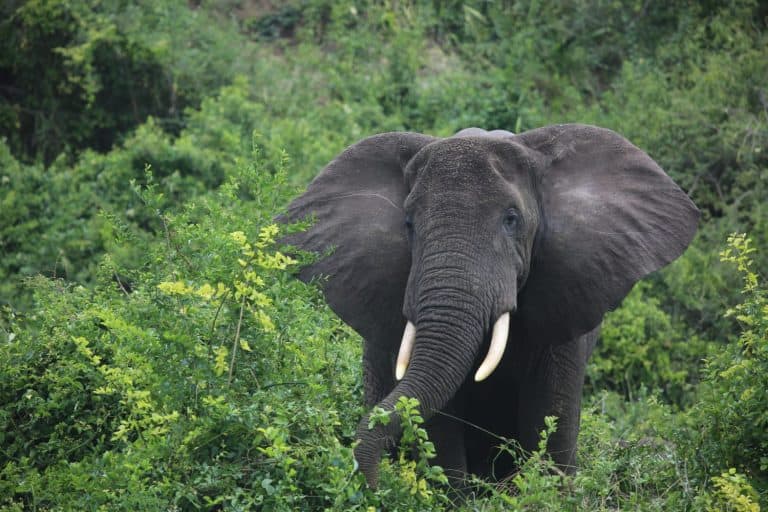
Gentle giants of the African forests
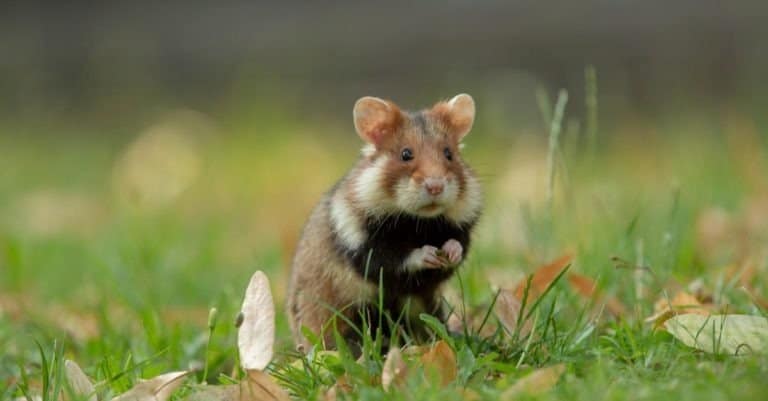
Pouches, burrows, and big impacts
Big river grazer, bigger attitude
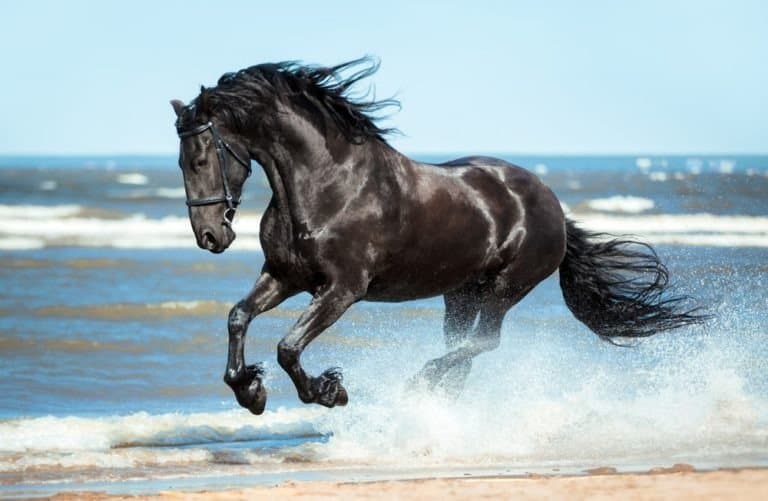
One hoofbeat, a thousand histories
Thank you for reading! Have some feedback for us?
We appreciate your help in improving our content.
Our editorial team will review your suggestions and make any necessary updates.
There was an error submitting your feedback. Please try again.